How AI Illustrates Children's Books: The Technology, the Process, and What It Means for Your Child's Story
There's a tidy myth circulating about AI picture books: you type a sentence, a robot paints a page, and 18 spreads later you have a book. That's not how it works. Not even close.
A real AI-illustrated children's book is a chain of specialised models, prompt engineering, identity locks, and human art direction stitched into a pipeline. Each stage handles something the previous one can't. Skip any of them and the result is exactly what most parents fear when they hear "AI book" — a generic kid wearing your child's name like a sticker.
This is a parent's explainer, not a self-publishing tutorial. We'll walk through the six stages that turn a manuscript into a printable picture book, point out where the technology still trips, and be honest about where human judgment remains non-negotiable.
What 'AI Illustration' Actually Means in a Children's Book
Casual AI image generation is one prompt, one picture, done. A children's book is a different animal — 18 internal pages plus covers, all featuring the same child, the same world, the same lighting mood, the same brushwork. Consistency is the whole game.
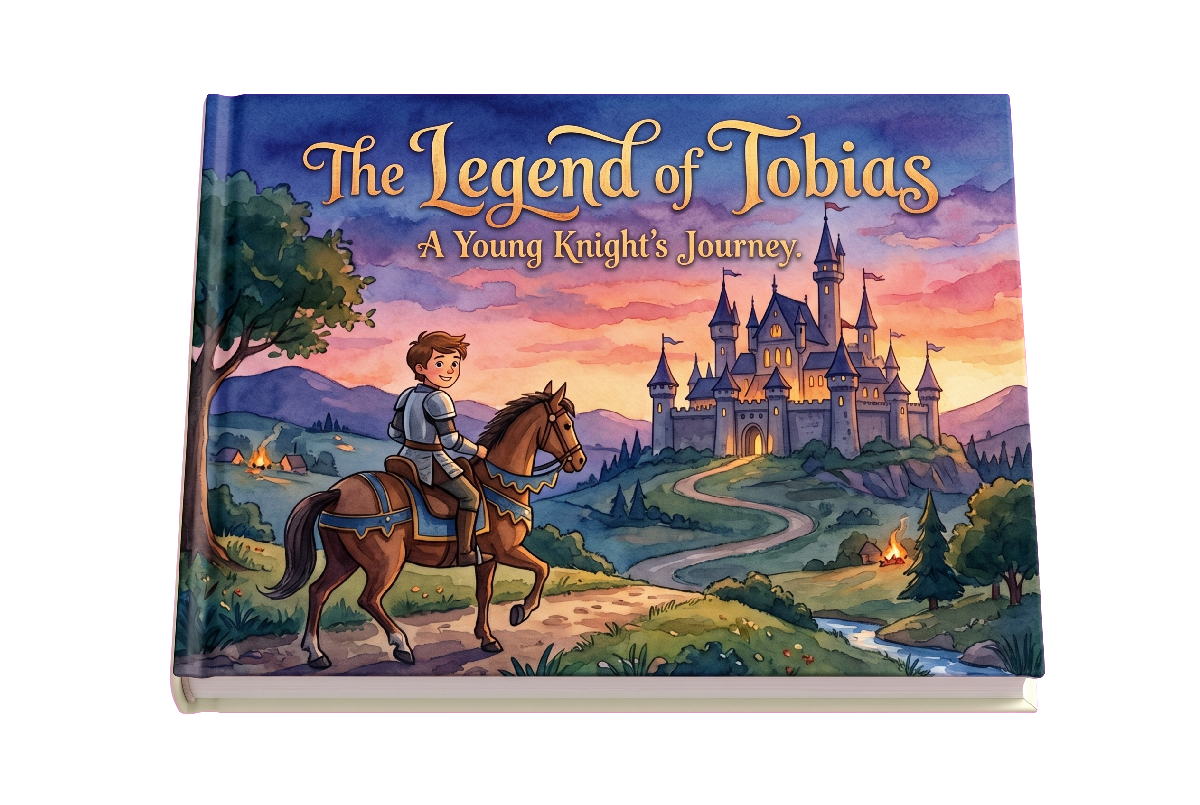
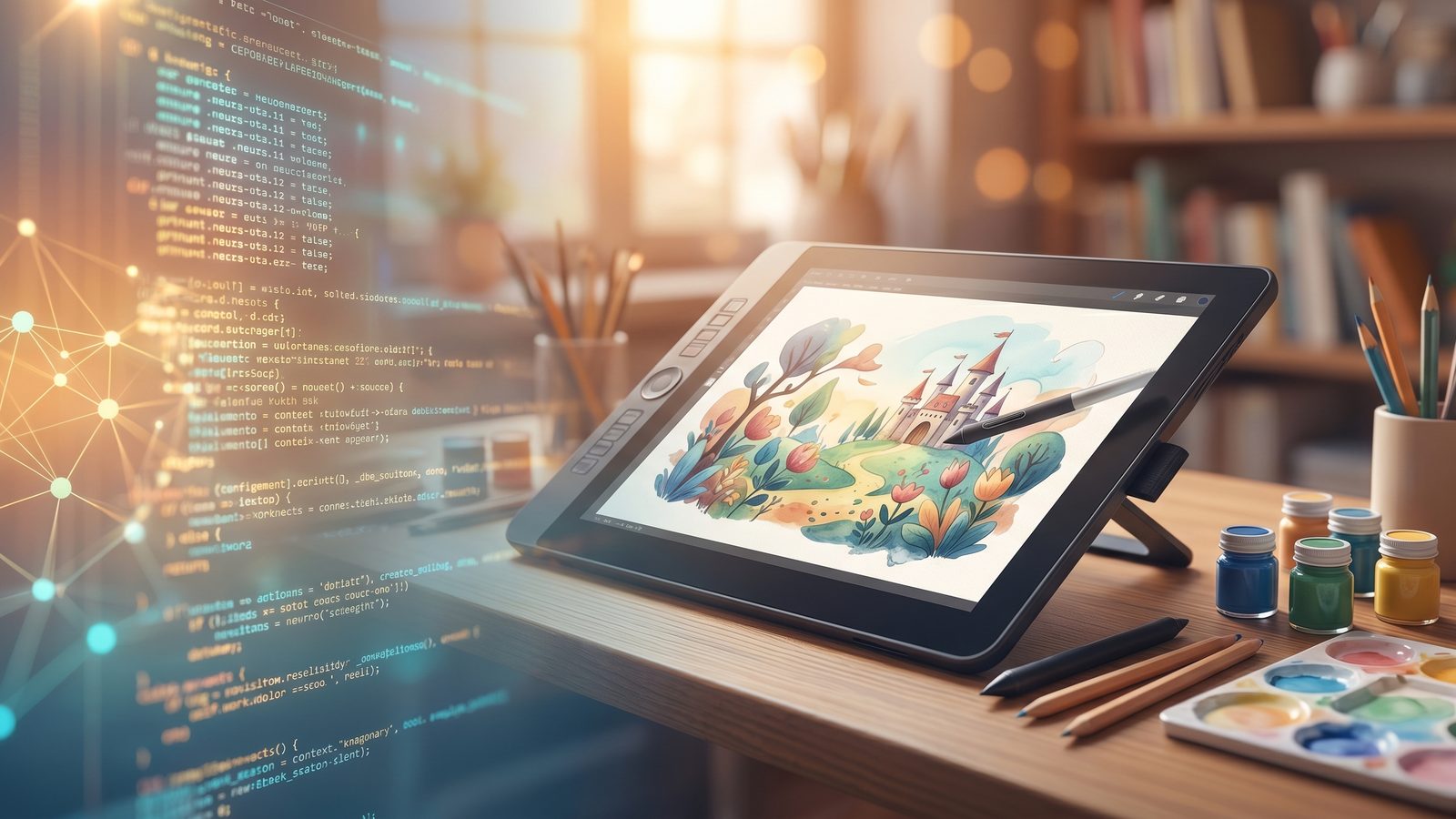
Two model families do the heavy lifting. Large language models read and structure the manuscript — at Little Stories, Anthropic's Claude writes the 18-page script after Grok generates three story options. Then diffusion models (Gemini's image generator, in this case; Stable Diffusion and Flux-class systems elsewhere) actually render pixels. Neither family does the whole job alone.
“A finished picture book isn't one prompt — it's hundreds of decisions, most of them made before a single image is generated.”
For parents, the practical takeaway is the quality gap. A free AI image generator and a production pipeline are not the same product. One gives you a single passable picture. The other gives you a bound book your child will recognise themselves in.
Inside the Pipeline: From Manuscript to Print-Ready Spread
Six stages. In order.
Stage 1 — Manuscript parsing. An LLM reads the finished script and tags every scene: who's in it, where it happens, what emotional beat it carries, what props matter. Page 7 isn't "a forest scene." It's "Tobias, late afternoon light, slightly nervous, holding a lantern, oak grove, mentor character to his left."
Stage 2 — Prompt engineering. Each tagged scene becomes a structured prompt. Style tokens (watercolour, soft edges, warm palette), composition guidance (rule-of-thirds, eye-level), and character reference IDs all get bundled. This is where the chosen illustration style — Storybook, Anime, Kawaii, Lego, one of nine — becomes a locked instruction set.
Stage 3 — Character consistency lock. The hardest stage. More on this below.
Stage 4 — Model inference. The diffusion model generates candidate images. Often several per spread. A human (or a trained quality-review model) picks the strongest.
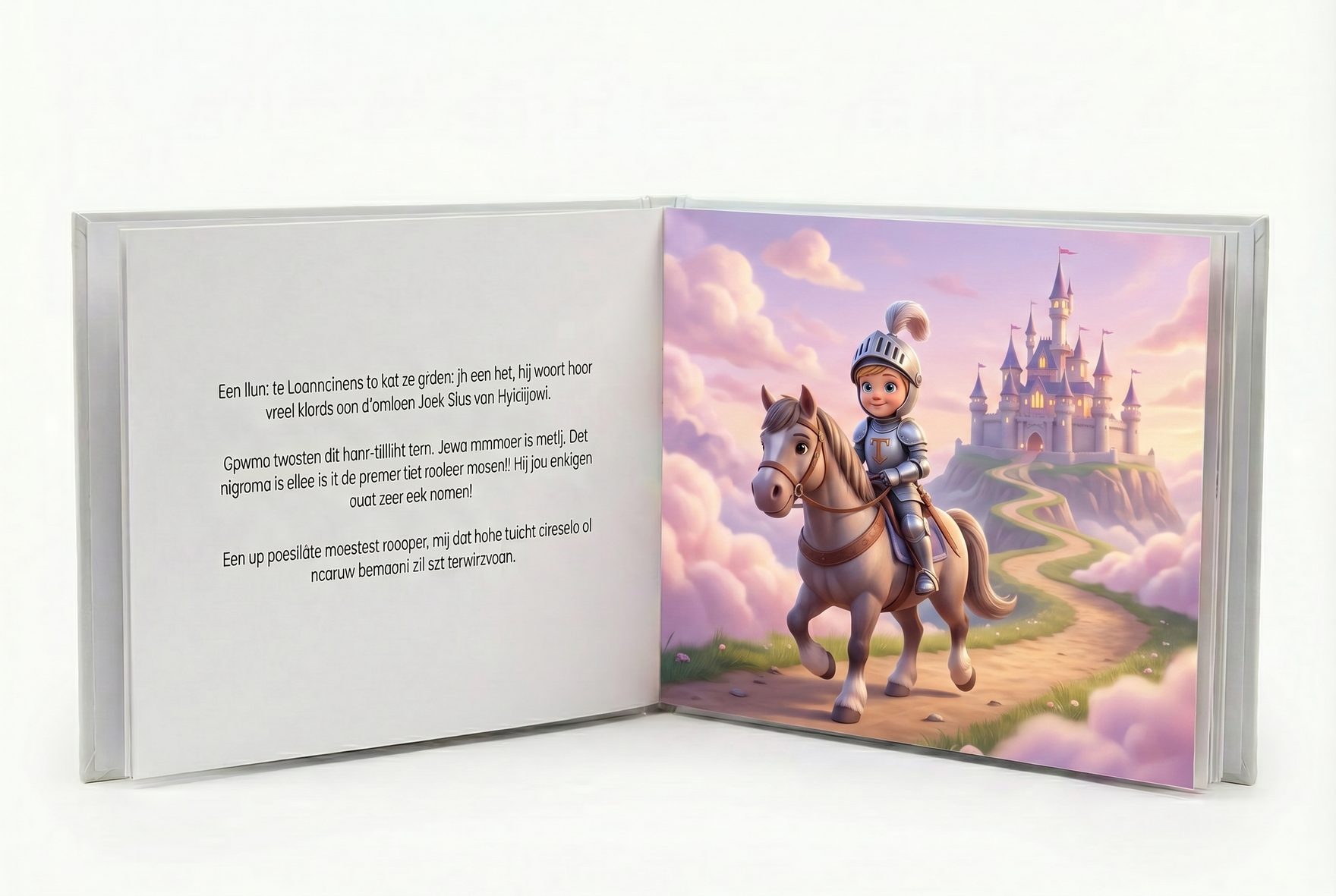
Stage 5 — Spread layout and typography. Images get composed with text. Bleed, gutter, font choice, line length for early readers — all engineered, not guessed.
Stage 6 — Print-ready export. sRGB-to-CMYK colour conversion, upscaling to 300 DPI, and proofing for press. The hardcover from Little Stories prints landscape A4, full-bleed, via Peecho — and that final export stage is what makes the file actually printable rather than just screen-pretty.
The Hardest Problem: Making Your Child Look Like Your Child
Ask any AI illustration engineer what keeps them up at night. They'll say character drift.
Run the same prompt twice in a generic tool. Page 1: brown-haired boy, round face. Page 8: dirty-blond boy, narrow face. Page 14: different kid entirely. For a one-off image this is fine. For a 20-page book where the hero must be recognisable as your child, it's catastrophic.
The fix is a stack of techniques. LoRA fine-tunes train a small adapter layer on a specific face. IP-Adapter conditions the diffusion model on a reference image rather than just text. Reference embeddings turn an uploaded photo into a numerical fingerprint the model carries through every page. Most production systems combine all three.
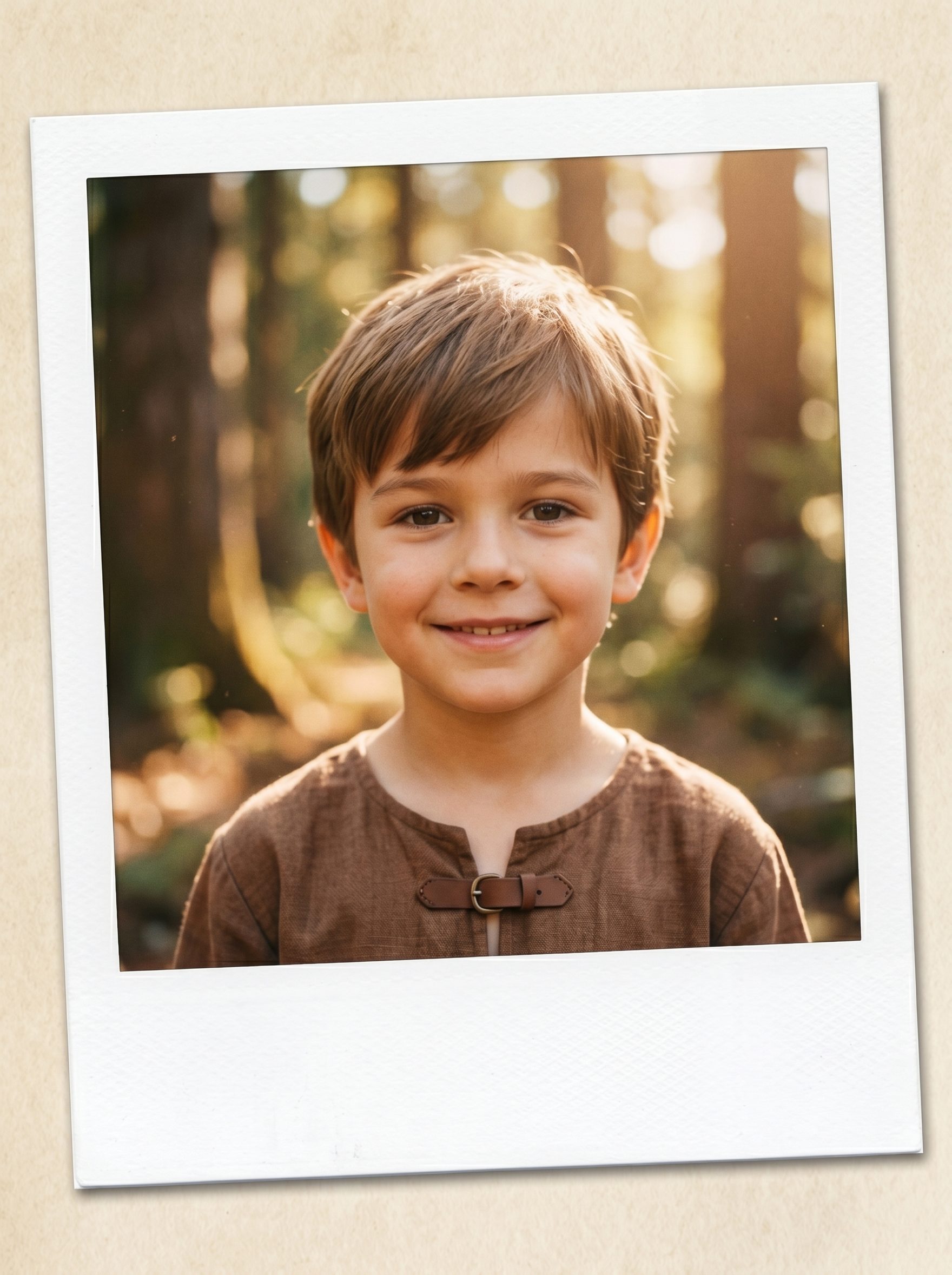
This is where the photo upload matters. The original JPG or PNG becomes the anchor — at Little Stories, the file is deleted from servers within 24 hours, but the extracted character likeness persists across the book. Research on the name attention effect shows children pay sharper attention when they hear their own name. Visual self-recognition compounds that effect. A child who sees themselves on page 9 leans in harder than one looking at a generic protagonist.
Even with all the locks, subtle features sometimes drift — a freckle pattern, an ear shape. Which is exactly why human review of every spread is non-negotiable.
Where Human Illustrators Still Outshine the Machine
AI is good at watercolour washes and dramatic lighting. It is bad at the difference between "happy" and "shyly proud."
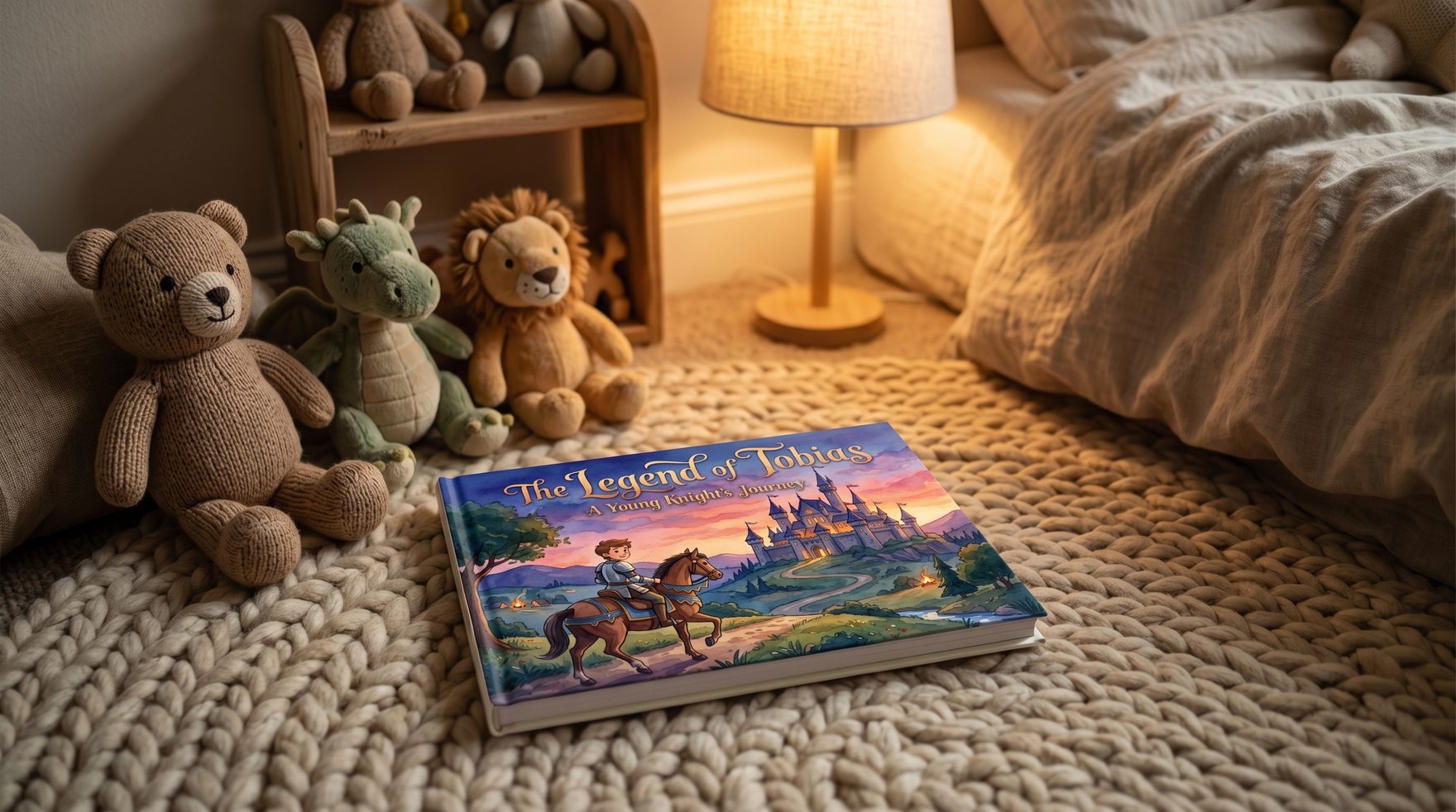
Micro-expressions remain hard. So do hands — five fingers, correctly oriented, holding a specific prop — which often need regeneration or manual touch-up. Style consistency across a full book (lighting that matches on page 3 and page 17, brushwork that doesn't drift from watercolour to digital halfway through) requires curated style models, not stock tools.
Diverse children deserve particular care. Naive systems default to narrow stereotypes; getting skin tone, hair texture, and cultural detail right requires deliberate prompt engineering and reference data. This is craft, not magic.
And human art directors still make the calls that matter: which of four candidate images actually serves the story beat, where to place the character on the page, whether the emotion reads to a four-year-old. The pipeline produces options. Humans choose. Reading-aloud research, going back to the landmark Becoming a Nation of Readers report, is clear about what makes a picture book work — and none of those qualities emerge from autopilot.
What This Means for the Book on Your Child's Shelf
A thoughtful pipeline produces a book your child recognises themselves in. A sloppy one produces generic AI art with a name pasted on top. The difference isn't the model — it's everything around the model.
Little Stories invests in character locks, human review, and print-grade export specifically to avoid the generic-AI-kid problem. The AI writes and renders; humans direct, edit, and approve. The wizard captures hobbies, favourite food, family members, and a moral — then Grok, Claude, and Gemini take turns building something genuinely unique. Two children with identical inputs would still get two different stories.
You can preview the whole book before paying. That's the honest test. If the hero on page 9 looks like your kid, the pipeline worked. If not, you revise — unlimited times — until it does.