
A toddler clinging to your leg at the daycare door is not being difficult. They're being two. Somewhere between 18 months and 4 years, the brain that learned object permanence is still negotiating its terms — gone and gone forever feel suspiciously similar, especially before breakfast.
The fix isn't a pep talk. It's a story, read on the couch, three nights running, before the hard morning arrives.
Why Picture Books Calm Anxious Toddlers (And How to Use Them Right)
Bibliotherapy sounds clinical. In practice it's this: a toddler hears a story about a small character who is scared, copes, and is okay — and her nervous system files that arc away as a possible script for her own life. Zero to Three, the US child-development non-profit, frames separation anxiety as a feature of healthy attachment, not a bug. The job isn't to eliminate it. It's to give the child a rehearsal space.
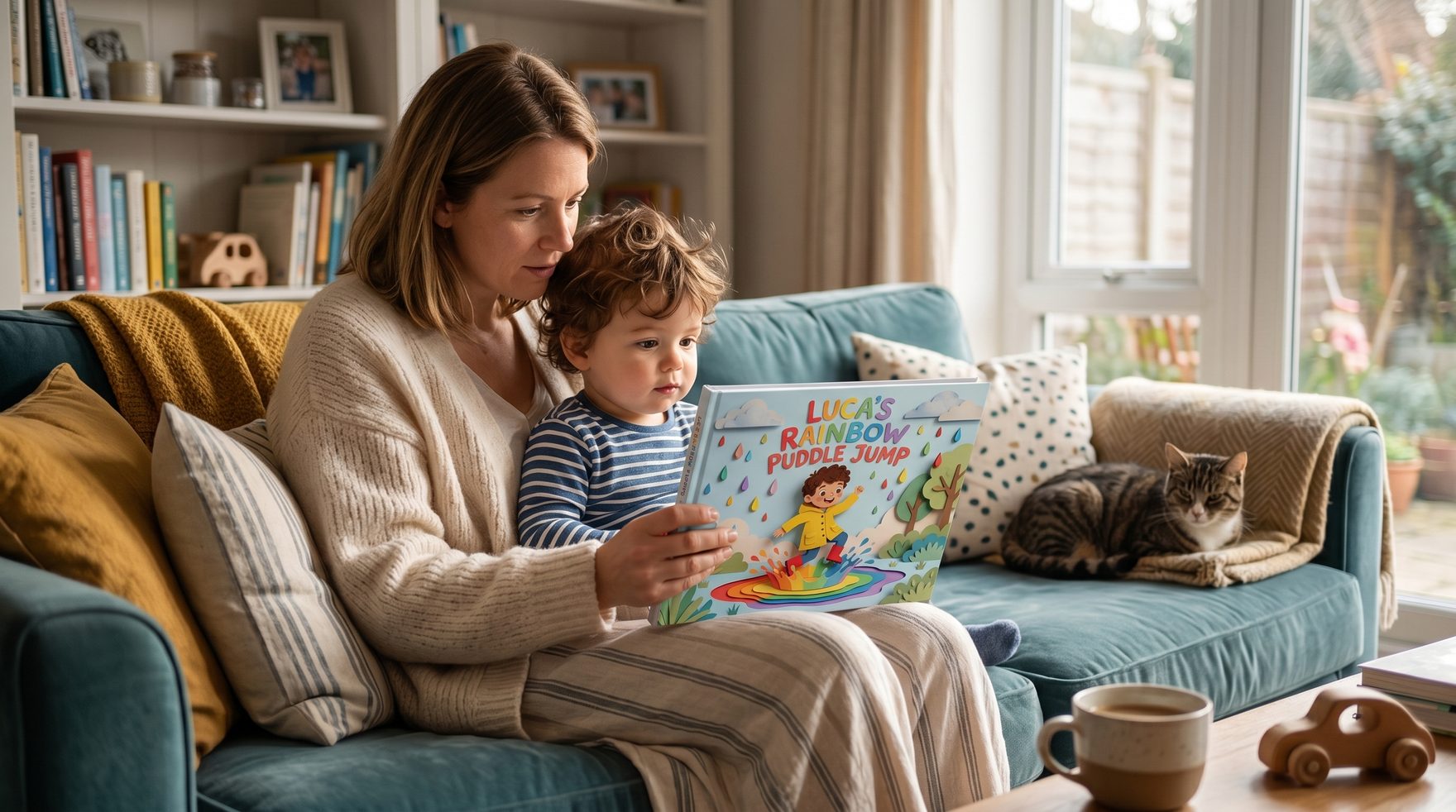
Three things make a goodbye book actually work:
- Read it 2–3 times before the event. Not the morning of. The night before, the night before that, and the bath-time before that.
- Borrow the book's goodbye phrase. If the story says "see you after snack," that becomes your door-handle line.
- Anchor it to a comfort object — a kissed palm, a pocket pebble, a tiny photo in a backpack.
“The book isn't the magic — the predictable ritual around it is.”
A peer-reviewed study on bedtime routines found that consistency of ritual — not the specific content — drove better sleep outcomes in young children. Goodbye rituals work the same way. Pick a title you can both stand to read fifteen times, and the title almost stops mattering.
The Best Separation Anxiety Books by Scenario
Skip the generic "top 10" lists. The right book depends entirely on which goodbye you're rehearsing for.
Starting Nursery or Preschool (Ages 2–4)
Three classics, three different mechanisms:
- The Kissing Hand (Audrey Penn) — a transferable physical ritual. Chester's mother kisses his palm so he carries her warmth into school. Brilliant for the clingy-but-verbal child who needs something to do at the door.
- Llama Llama Misses Mama (Anna Dewdney) — rhythm and rhyme over plot. Best for shy 2-year-olds who haven't got the words yet but can feel the meter.
- Owl Babies (Martin Waddell) — three siblings wait, worry, and are reunited. Especially good if your toddler has older siblings modelling worry back at them.
When a Parent Goes Back to Work (Ages 18 Months–3)
The "why is mum disappearing every morning?" question needs a book that follows the parent out the door, not just the child.
- I Love You All Day Long (Francesca Rusackas) tracks a small pig through his school day while reminding him his mother's love is constant during each activity.
- My Mom Goes to Work (Pierr Morgan) literally shows where the parent goes.
Pair the reading with a phone photo of your actual workplace — desk, coffee cup, the boring lift lobby. Toddlers are surprisingly comforted by mundane geography.
Grandparent Stays, Babysitters and Bedtime (Ages 18 Months–4)
- The Invisible String (Patrice Karst) — the love-as-a-thread metaphor that works for overnights precisely because it doesn't depend on being in the same room. The string stretches.
- Mama, Don't Go! (Rosemary Wells) — better for short, predictable handovers.
- For lights-out, Goodnight Moon paired with a fixed goodbye phrase becomes its own miniature bibliotherapy session. Same words, same order, every night.
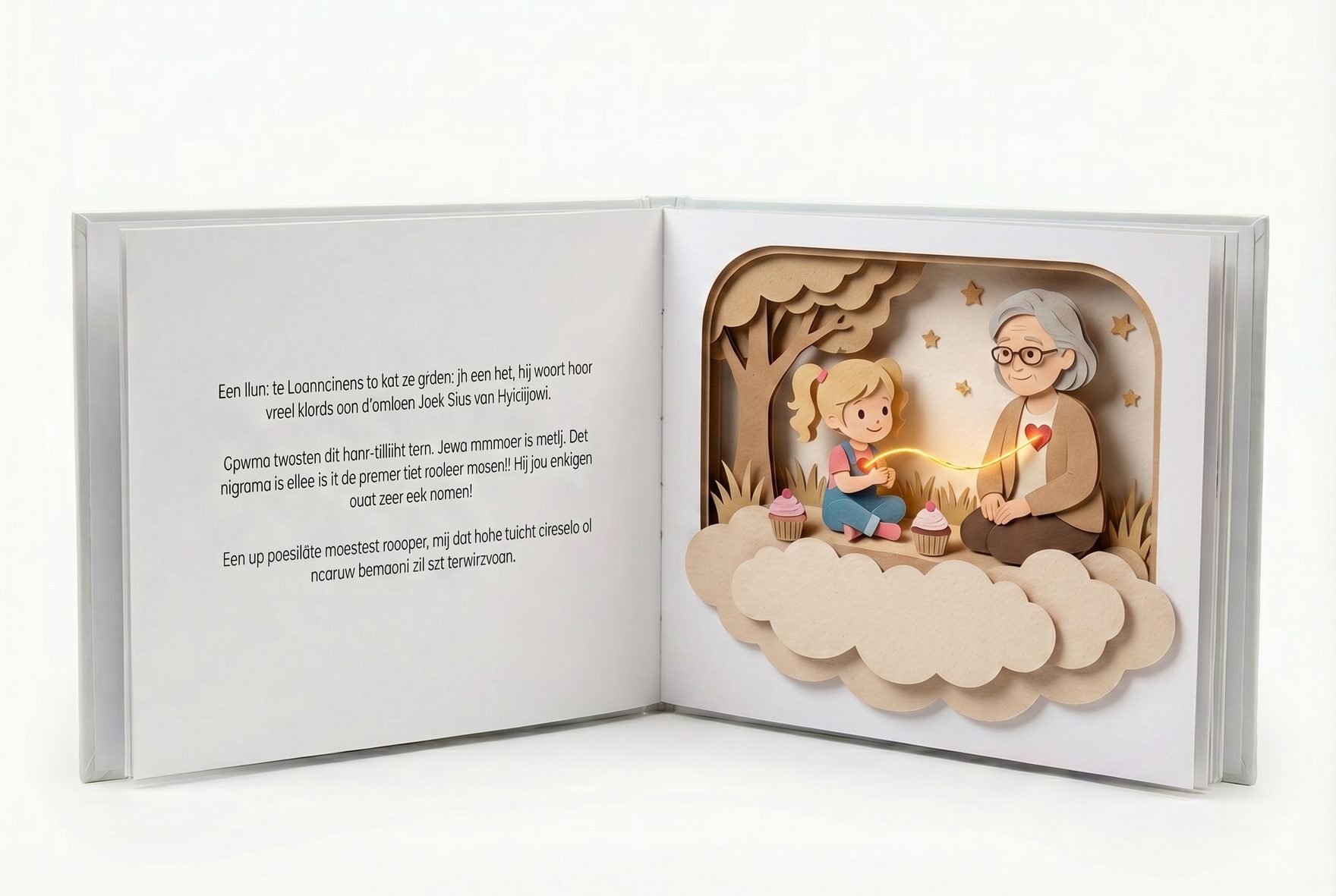
When Classic Books Aren't Enough: Personalised Stories as the Next Step
Here's the honest limit of the classics. A llama is a llama. A clingy 3-year-old who is mid-meltdown about Tuesday daycare often cannot, in that moment, abstract herself onto a cartoon mammal. The reassurance bounces off.
Research published in Infant Behavior and Development found pre-readers engage measurably more with personalised storybooks — and a separate study on the "cocktail party effect" confirms what every parent already suspects: children's attention spikes when they hear their own name. Put those two findings together and you get the case for personalisation as a clinical, not cosmetic, upgrade.
“When the brave child in the book shares your toddler's name, the reassurance stops feeling like a story and starts feeling like a promise.”
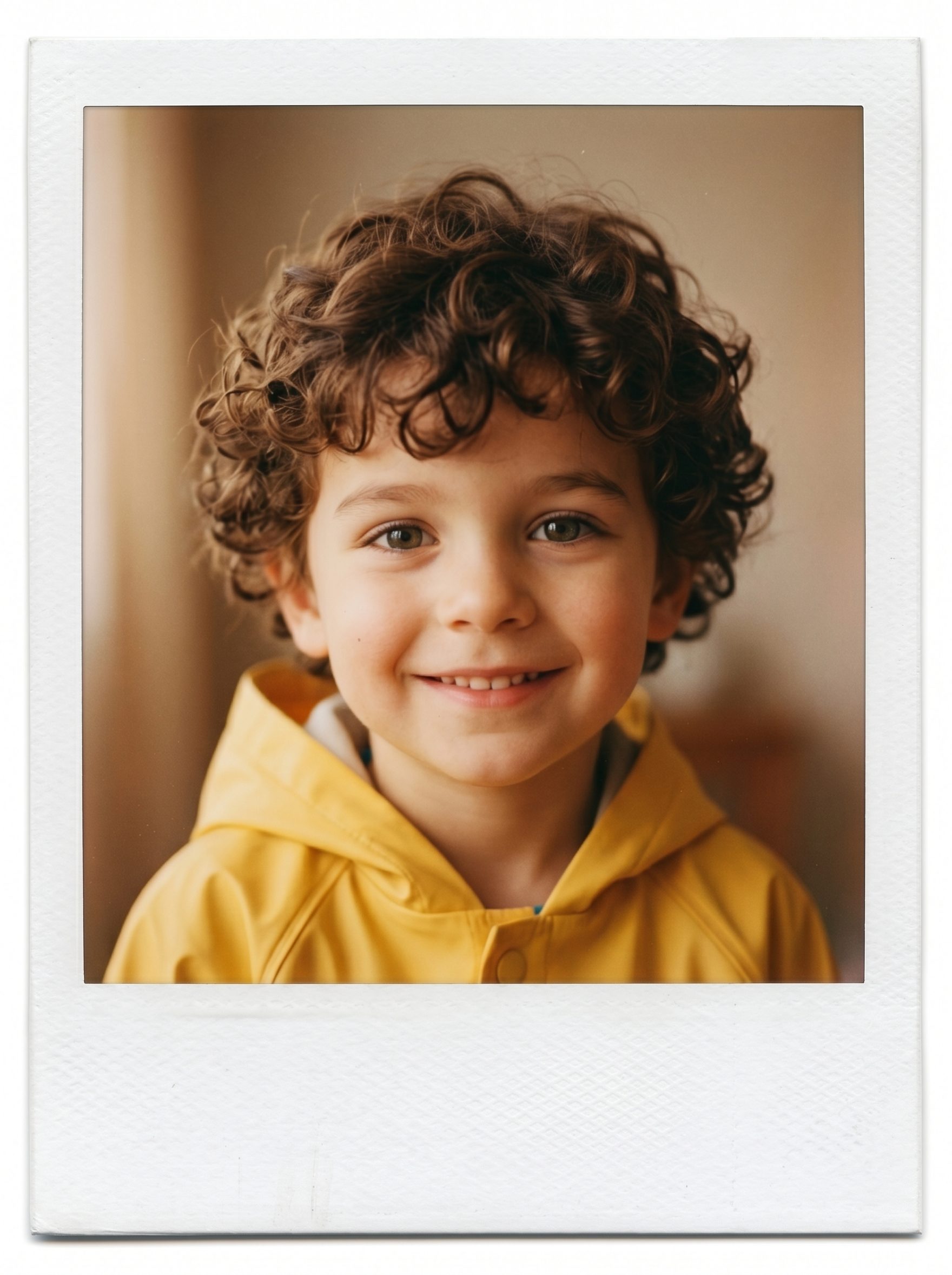
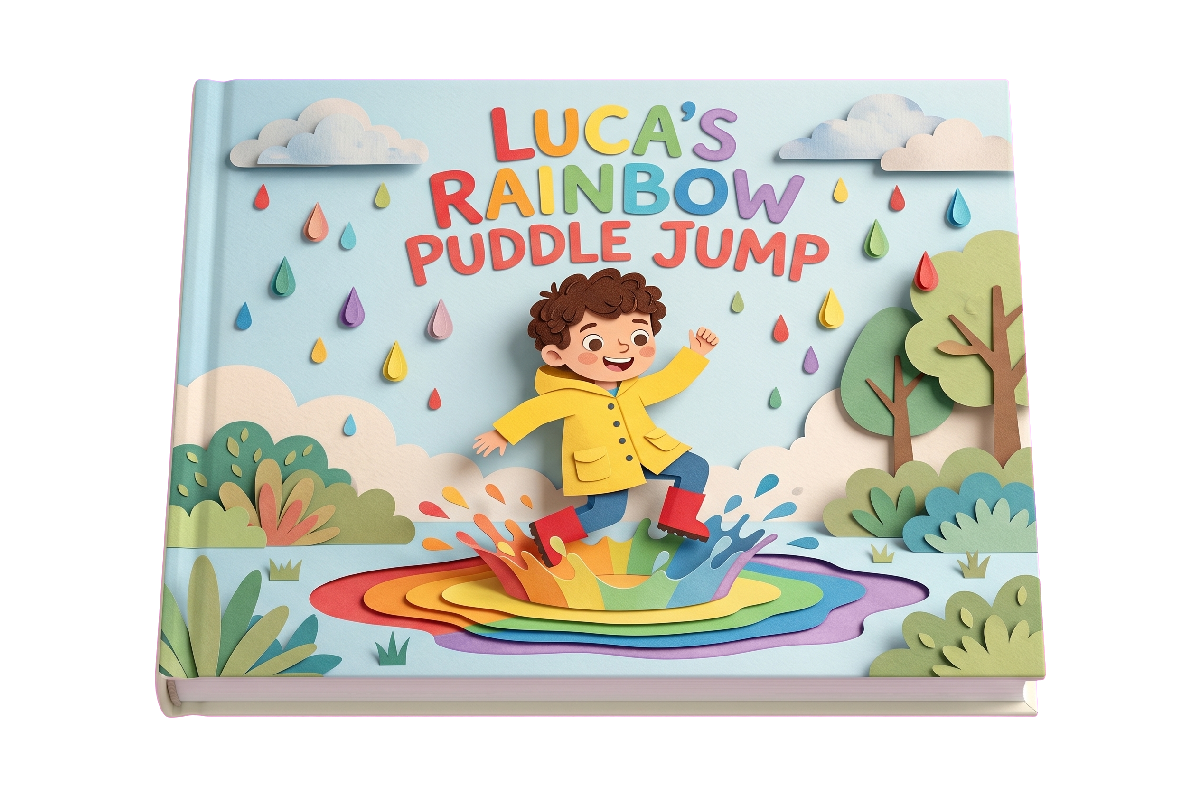
This is the territory Little Stories was built for. The wizard takes about ten minutes — name, photo, hobbies, the specific worry — and generates a unique 18-page story where the toddler herself is the hero who waves goodbye and comes back to a happy reunion. Same bibliotherapy mechanism as The Kissing Hand. Different blast radius, because it's her.
Use it alongside the classics, not instead. Owl Babies on Sunday night. The personalised book on the Monday morning that's going to be hard.
Age-by-Age Quick-Match Guide
18–24 months: Short, rhythmic, repetitive. Llama Llama Misses Mama, Owl Babies. Rhythm over plot. Their attention span will thank you.
2–3 years: Ritual-based. The Kissing Hand, I Love You All Day Long. They can now follow a simple cause-and-effect goodbye, and they want to copy what Chester did.
3–4 years: Metaphor-ready. The Invisible String lands now. So does a personalised story where they are the named, illustrated hero. The abstract clicks because the concrete — their face, their name, their dog — is also on the page.
Pick one book per scenario. Read it nightly for a week before the transition. Watch the morning meltdowns shrink — not to zero, never to zero, but to something both of you can walk through the door with.