
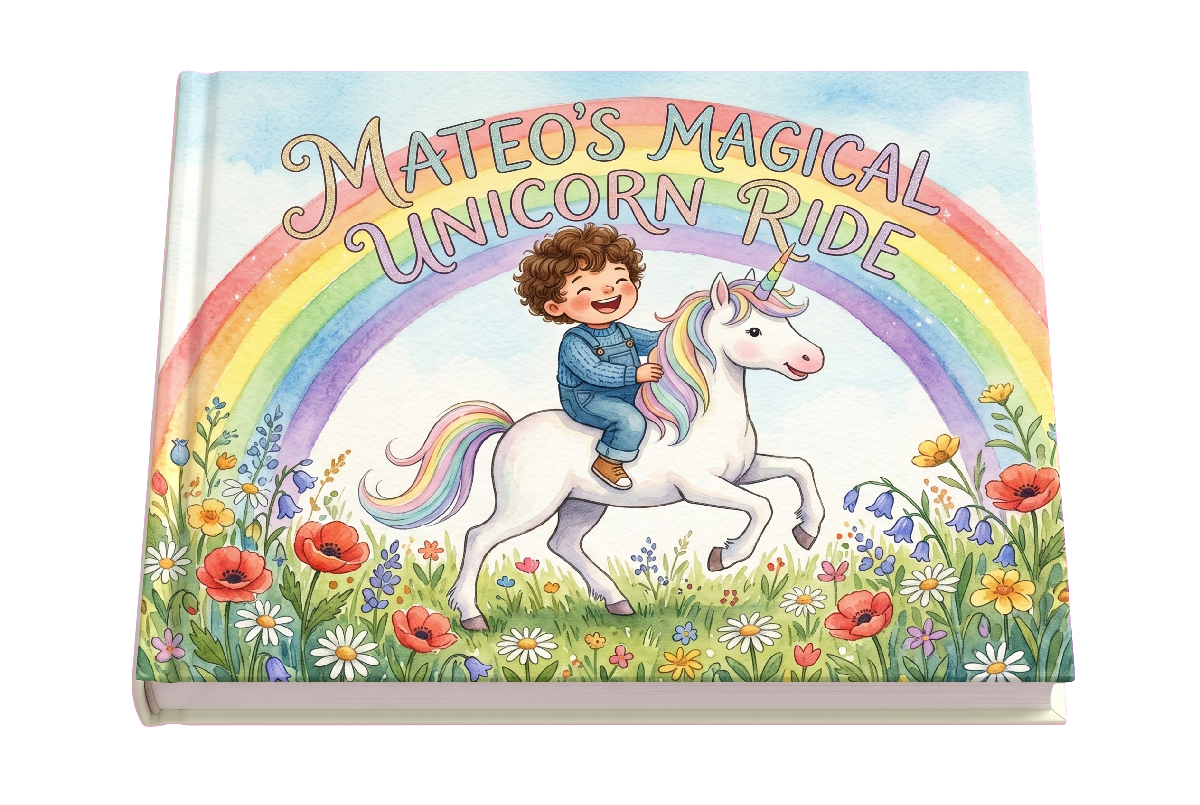
There's a specific face a four-year-old makes the first time they see themselves on the cover of a book. Eyes wide. Mouth slightly open. A pause, then: "That's me." Parents describe it the same way across continents — a small, startled recognition that rearranges the room.
That moment isn't sentimental fluff. It's neuroscience, developmental psychology, and early literacy research all firing at once.
Why Children Connect More Deeply With Personalized Stories
Psychologists call it the self-reference effect: information tied to the self is encoded more deeply, remembered more accurately, and processed faster than information about anyone else. Adults show it on memory tests. Children show it the moment you say their name.
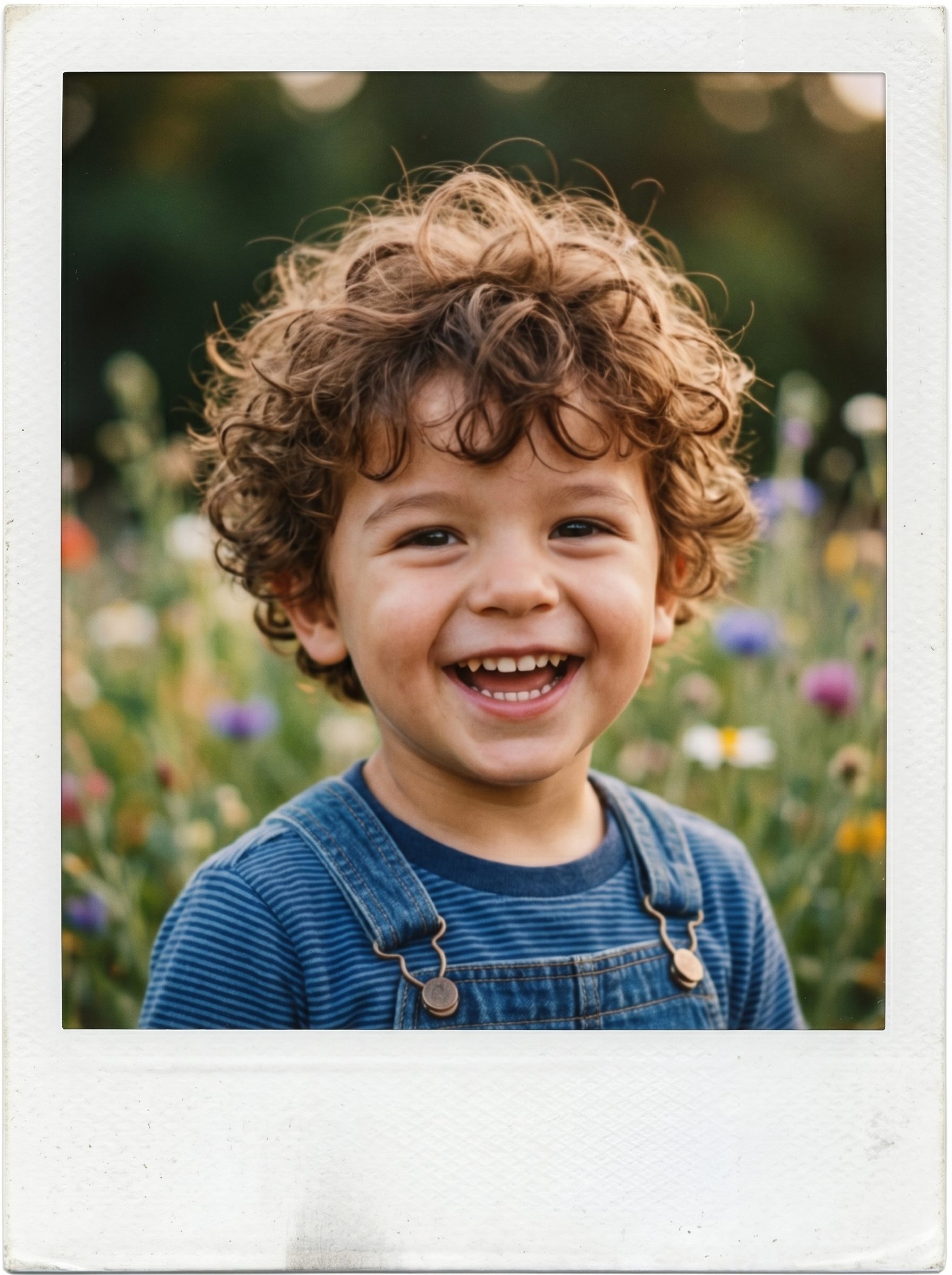
Ages two through eight are the window when children are actively constructing a narrative sense of self — a running internal story about who they are, what they like, what they're capable of. Developmental researchers have long argued that stories aren't just entertainment in this window; they're raw material. A generic bunny protagonist is a placeholder. A child hearing their own name becomes the protagonist.
“When a child hears their own name in a story, the brain treats it as personally relevant — and attention skyrockets.”
The dopamine signature of hearing one's own name is measurable even in infants. Attention sharpens. Pupils dilate. When that name shows up on page three, then page seven, then page fifteen of a bedtime book, the child is not passively listening — they're leaning in. Compare that with the average "Timmy the Turtle learns to share" book, and the gap in emotional investment isn't subtle. It's the difference between watching a stranger's home video and watching your own.
How Personalized Books Accelerate Early Literacy
Engagement is the lever that moves everything else in early reading. The American Academy of Pediatrics is blunt about it: the single biggest predictor of literacy success isn't phonics worksheets — it's the frequency and warmth of shared reading at home.
Personalized books tilt that frequency upward. A 2018 study in Infant Behavior and Development found that pre-readers engaged with personalized storybooks showed measurably higher attention and participation than with standard versions of the same narrative.
The mechanism is simple:
- Longer sessions, because the child doesn't want to stop.
- More repeat readings, because "again!" is the universal verdict on a book about them.
- Faster sight-word recognition, because the child's own name becomes their first decoded word — often months before any other.
And vocabulary encountered in a personally relevant story sticks better than the same vocabulary encountered in a generic one. Context is memory's best friend, and nothing is more contextual than you.
The Self-Esteem Effect: Seeing Yourself as the Hero
Dr. Rudine Sims Bishop's famous "mirrors and windows" framework changed how educators think about children's literature. Books, she argued, should be mirrors that reflect a child's own life back to them, and windows into the lives of others. Most children get plenty of windows. Mirrors are rarer — and for kids from underrepresented backgrounds, rarer still.
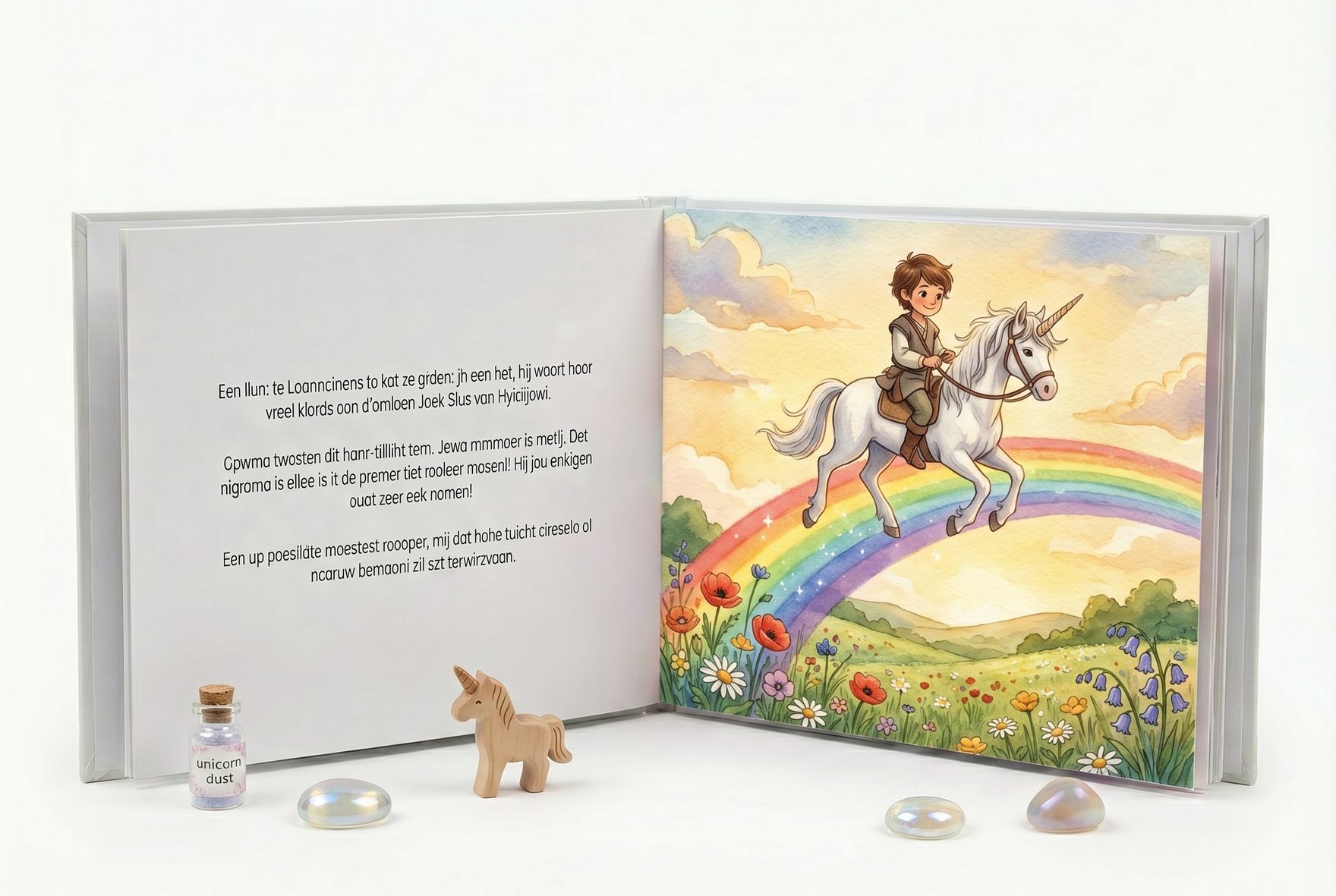
When a child is cast as the hero who calms the dragon, crosses the rainbow, or stands up to the storm, they're rehearsing competence. Bibliotherapy research in early childhood shows kids internalize the coping strategies of characters they identify with — and identification deepens sharply when the character is them. Parents report it anecdotally all the time: the child who reenacts their book adventure in the living room for a week, sword (or wand, or spatula) in hand.
Princess story? Knight story? Same effect. If you're curious how the hero archetype plays out by theme, there's a closer look in Princess AI Books: How Your Daughter Can Star in Her Own Fairy Tale.
Beyond the Name: The New Frontier of AI-Illustrated Personalization
For decades, "personalized" meant a name swap. The illustrations stayed generic — blond cartoon kid, default skin tone, same stock face as the previous 10,000 customers. The text said "Mateo." The pictures didn't.
That's the piece that's changed. AI illustration can now render the hero with the actual child's features: skin tone, hair texture, eye colour, the specific shape of a grin. Visual self-recognition amplifies the self-reference effect the way stereo amplifies mono. The child doesn't just hear themselves in the story — they see themselves on every page.
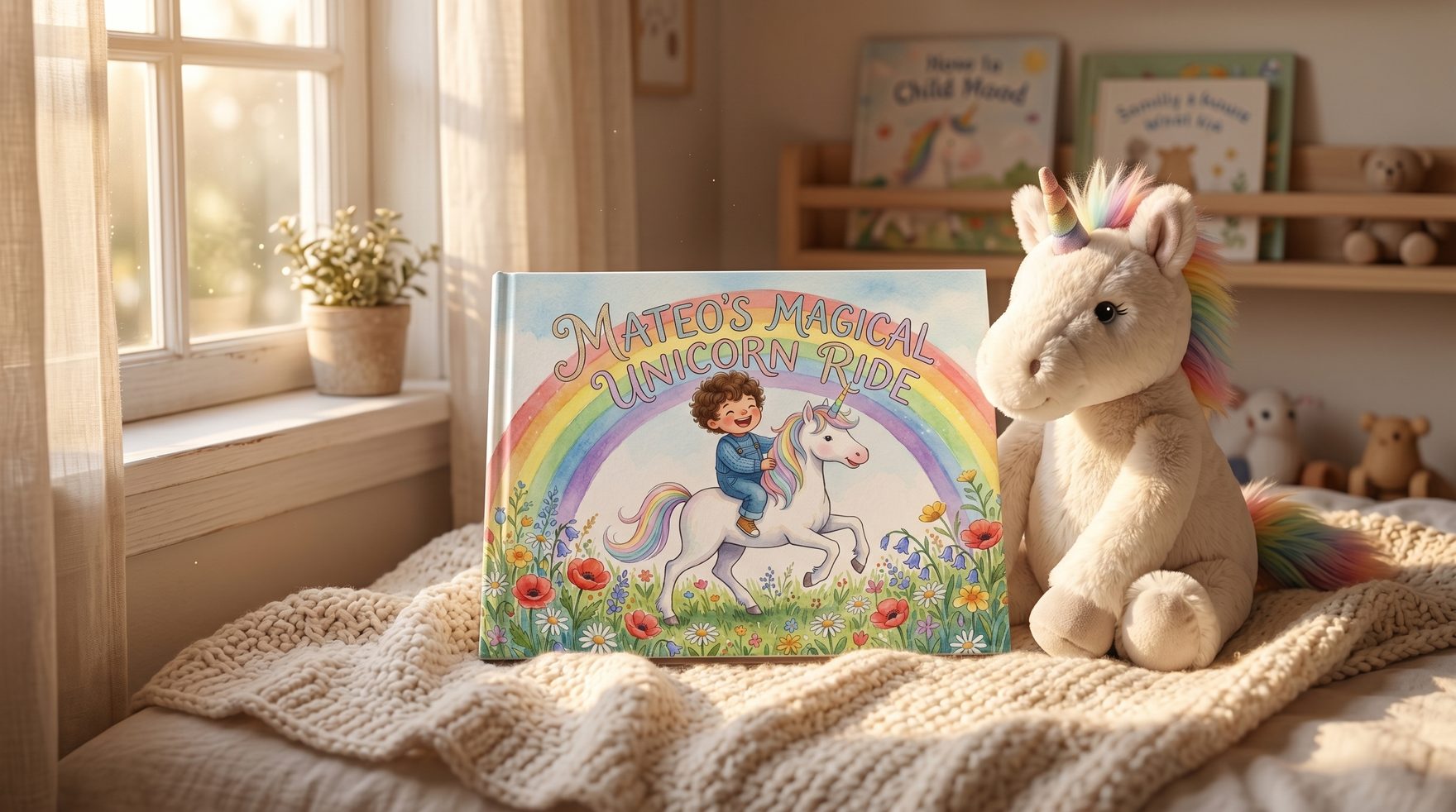
The fair parent question: is it any good? Quality varies wildly across the market. Little Stories, for one, uploads a photo only to extract facial features and deletes the original within 24 hours — the illustrated character stays, the photo doesn't. Stories are generated from scratch rather than templated, so two children with identical inputs still receive two different adventures. A ranked comparison of what's actually on offer lives in The 7 Best Personalized AI Children's Books of 2026.
Choosing the Right Personalized Book for Your Child
A few practical notes for picking well:
- Match the theme to the moment. A dinosaur-obsessed five-year-old wants a prehistoric adventure, not a farm story. Follow the obsession.
- Insist on a real narrative arc. Name-swap books plateau fast. Look for stories with a genuine problem, a choice, and a resolution — the ingredients of a pirate quest or a proper hero's journey.
- Prioritize visual personalization for ages 4+. This is when visual self-concept consolidates. Seeing themselves matters more than hearing themselves.
- Make it the bedtime ritual. Reading Rockets notes that repetition and routine do the heavy lifting in early literacy. A nightly personalized book builds reading confidence in toddlers faster than any app.
- Let them "read" it pre-literacy. Turning the pages, reciting from memory, pointing at their own name — that's pre-reading, and it counts.
The goal isn't a book that entertains your child. It's a book that convinces your child, quietly and repeatedly, that they're the kind of person who crosses rainbows.