Why Parents Still Hesitate About Personalized Children's Books
The category has changed more in the last three years than in the previous fifteen. And yet, when most parents picture a "personalized book," they still picture the 2014 version — a paperback where the protagonist's name has been swapped in twelve times and the illustration is a generic blonde child holding a balloon.
That impression is doing a lot of damage.
Since 2020, three forces have collided: generative AI illustration capable of rendering a consistent child likeness across an entire book, print-on-demand hardcover quality that now rivals trade publishing, and a small but credible body of developmental research showing that personalized storybooks measurably improve reading engagement in pre-readers. The result is a product that barely shares a category with what Wonderbly and Lost My Name shipped a decade ago.
Still, the hesitation is legitimate. Are they worth $30–45? Will the hardcover survive a four-year-old? Is the AI any good? What happens to the uploaded photo? This piece walks through the seven myths most parents are still carrying — and what's actually true about custom children's books in 2026.
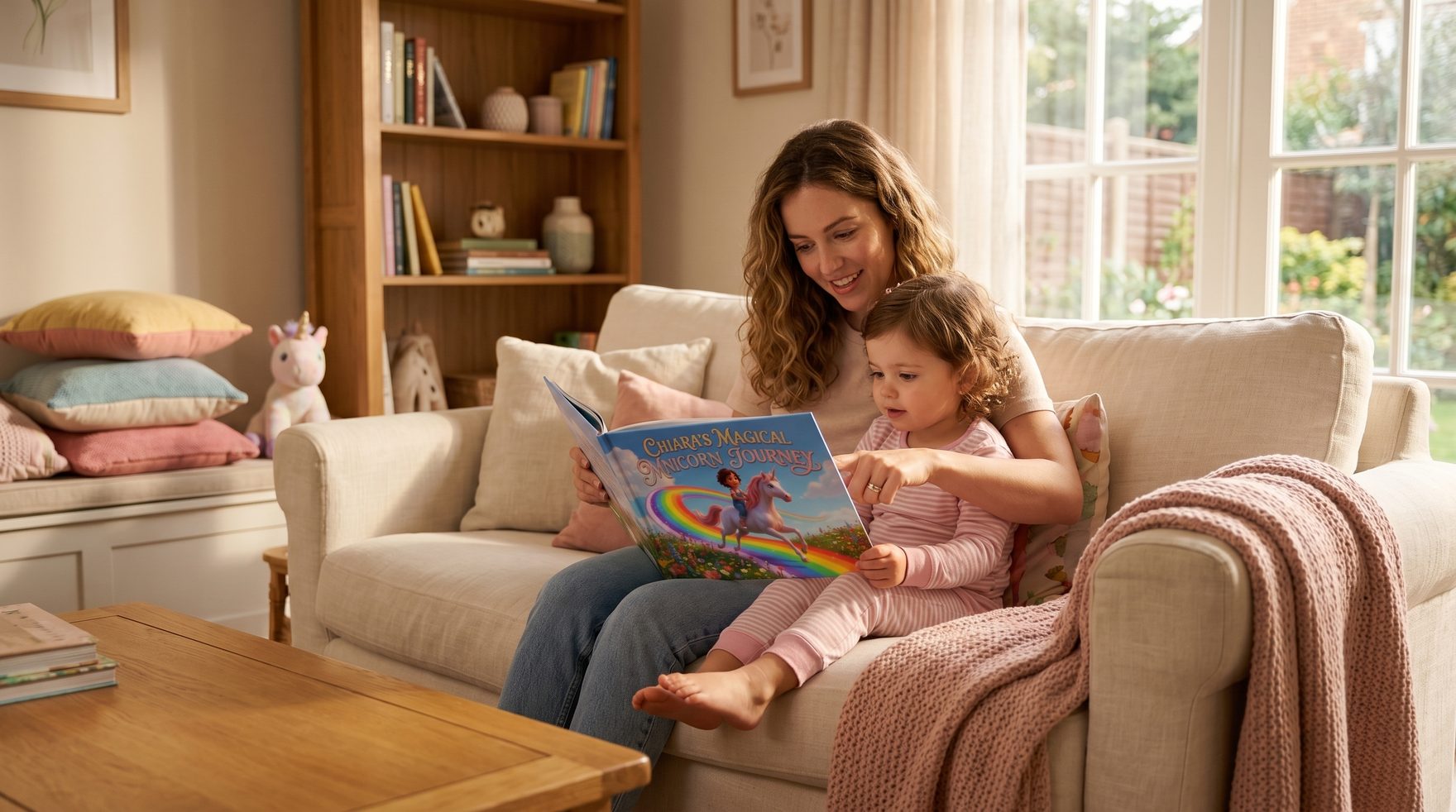
Myths 1–3: The 'It's Just a Gimmick' Cluster
Myth 1 — "It's just a name swap." In 2015, that was roughly accurate. Today, the better brands generate the entire narrative from scratch around the child's hobbies, hometown, favourite food, and even the family dog. Little Stories, for example, runs each book through a multi-model pipeline (Grok for concepts, Claude for the 18-page script) where two children with identical inputs would still receive two different stories. There is no template to fill in.
Myth 2 — "The illustrations don't really look like my child." This was the deal-breaker for a decade. Library-of-avatars systems — pick brown hair, pick freckles, done — never quite landed. The face was always someone else's face.
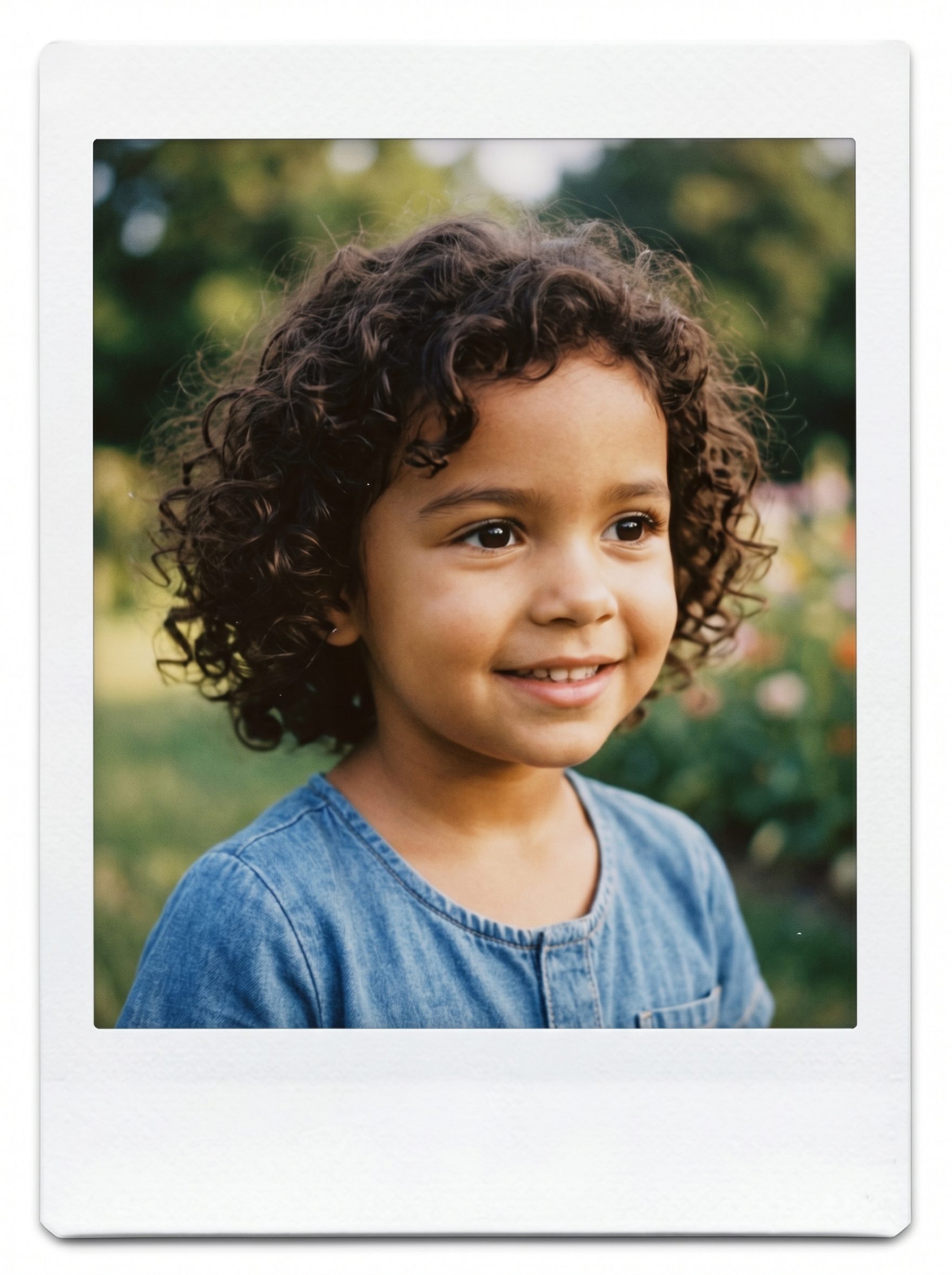
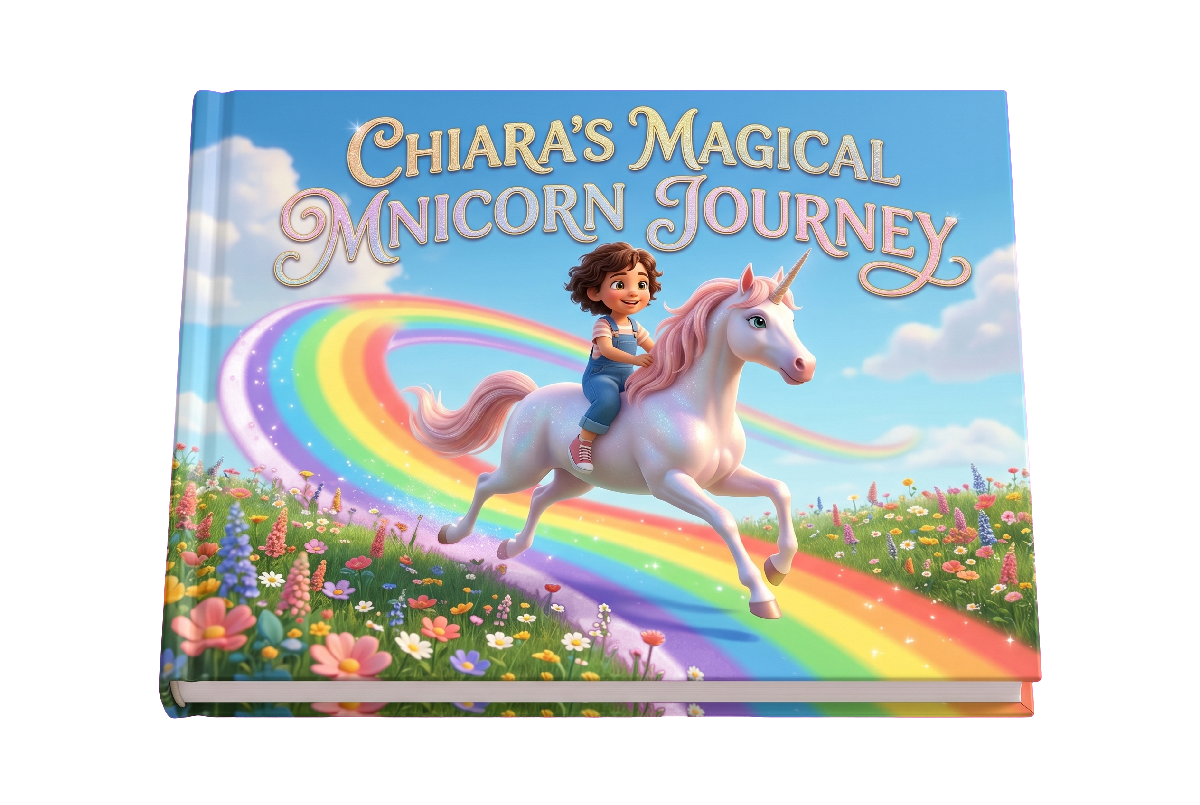
“The "it doesn't really look like my child" complaint is finally solvable — AI-illustrated heroes now hold a consistent likeness across every spread.”
What changed: AI illustration can now extract a child's facial structure, hair, and skin tone from a single front-facing photo and carry that likeness consistently across 20 pages of artwork — in nine distinct styles, from soft watercolour Storybook to Pixar-like 3D Animation to Kawaii. The Wonderbly preset-avatar approach simply can't compete with that on resemblance.
Myth 3 — "They're low quality and fall apart." Some are. The checklist that actually matters: paper weight above 170 GSM, full-bleed printing (image edge to edge), premium coated stock, and proper case binding rather than glued perfect-binding. A $15 mass-market personalized paperback and a $40 hardcover keepsake are not the same product, and pretending they are is how parents end up disappointed.
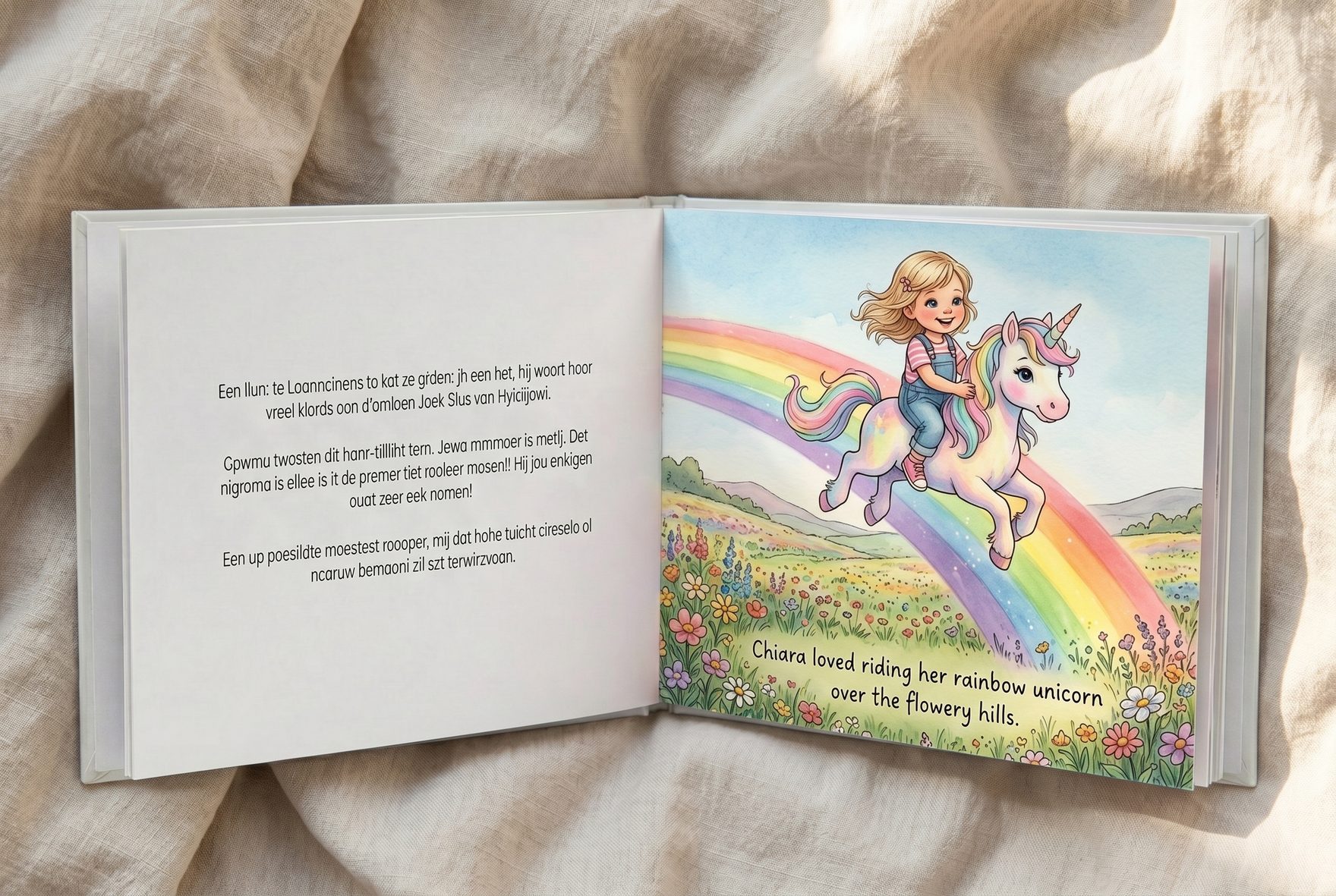
Myths 4–5: The 'Wrong Age, Wrong Value' Cluster
Myth 4 — "Personalized books are only for babies and toddlers." Wrong sweet spot. Ages 1–3? Yes — name and face recognition help build self-identity. But the real peak is 4–6, when children begin recognising their own name in print. The name attention effect — kids snap to attention when their own name is spoken or read — is strongest precisely when early literacy is forming. And 7–9 is a growing category for chapter-style personalized adventures.
Myth 5 — "A regular book is cheaper, so it's not worth it." Cheaper, yes. Re-read as often? Not even close. The self-reference effect in developmental psychology is well established: children remember and return to stories featuring themselves at significantly higher rates. Cunningham and Stanovich's print-exposure work suggests the books a child actually re-reads matter more than the books on the shelf they don't.
Where the spend earns its keep: birthdays, a new sibling, starting school, a move, a loss. Where it doesn't: as a random Tuesday gift, or for a child who already has six personalized books and stopped opening them. Worth-it isn't universal. For a deeper breakdown by age, the complete buyer's guide to personalized birthday books covers the 1–8 range in detail.
Myths 6–7: The 'AI and Privacy' Cluster
Myth 6 — "AI illustration means soulless art." The good brands aren't running pure AI. They're running art-directed AI: human illustrators (or, increasingly, art-director models like Gemini Flash) define the world, the palette, the character beats. The image model handles the child-likeness layer on top. It's closer to how Pixar uses procedural tools than to a random image generator.
Myth 7 — "Uploading my child's photo is risky." This one deserves a real answer, not reassurance. The five questions to ask any personalized book brand:
- Is the original photo deleted, and how soon? (Little Stories deletes within 24 hours; only the illustrated character is retained.)
- Is the photo shared with third parties? (It shouldn't be.)
- Is it used to train public AI models? (It shouldn't be.)
- Is the upload optional? (At Little Stories, yes — text descriptions work.)
- Is the company GDPR-compliant?
If a brand can't answer those plainly, that's the answer.
What's Actually True in 2026: A Buyer's Shortlist
Four things genuinely matter. Likeness accuracy. Illustration craft. Physical book quality. Data ethics. Everything else is marketing.
The mechanics are straightforward: a photo, a handful of prompts about hobbies and favourite food, about five to ten minutes in the wizard. Reputable brands let you preview the entire book before paying — Little Stories' policy is "read it before you pay a cent," with unlimited revisions to both text and illustrations. Hardcover turnaround typically runs 3–10 business days via tracked shipping.
Little Stories was built specifically around Myth 2 — the likeness problem competitors couldn't solve. If your hesitation has been about any of the other six, the literacy and self-esteem research is a good next read, or browse the ranked roundup of 2026's best AI personalized books to see how the field actually stacks up.