Walk into the personalized kids book aisle of the internet and you'll find roughly three species of product wearing nearly identical marketing. They all promise "your child is the hero." They are not the same book. The gap between the cheapest and the best isn't a matter of polish — it's a matter of whether the child on page 9 actually looks like your kid.
The Three Tiers of Personalized Kids Books, Compared
Tier one is name-only: a printed text swap, where the manuscript and art are fixed and a script inserts "Tobias" into pre-written sentences. Around $25–35 hardcover. Tier two is look-alike: an avatar builder lets you choose skin tone, hair, and glasses from a finite menu, then renders that avatar across pre-illustrated spreads. Roughly $35–50. Tier three is AI full-story: a photo trains the illustrations and the entire narrative is written fresh around the child's name, age, hobbies, and the people in their life. Little Stories sits here at $29.99 for the digital PDF, $24.99 for the hardcover bundle.
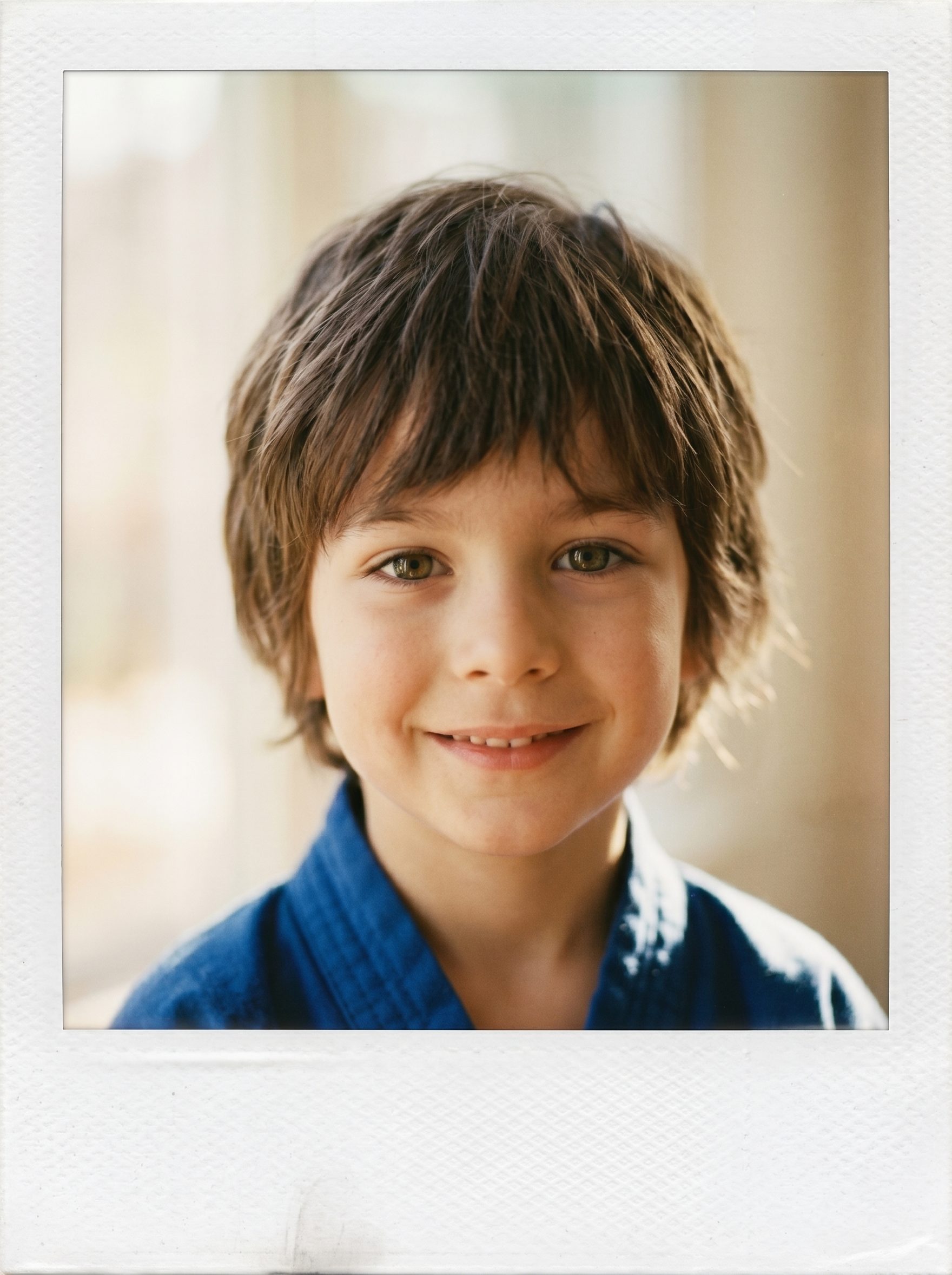
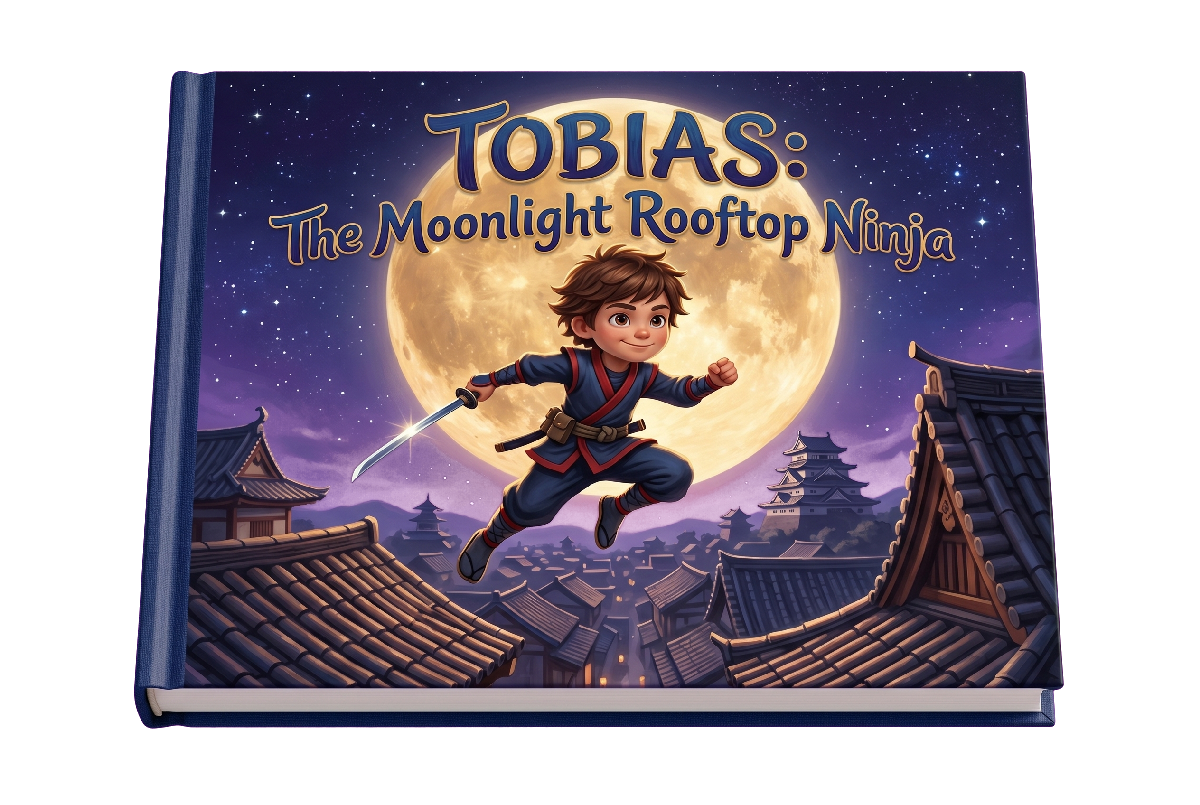
Score the depth honestly. Name-only: 2/10. Look-alike: 6/10. Full-story AI: 9/10 — judged on whether the face on the page matches the face at the kitchen table, and whether the plot bends to the child's actual world. Children pay measurably more attention when they hear their own name, an effect documented in peer-reviewed attention research — so even tier one earns its keep. The question is how much further you want to go.
“The right personalized book isn't the most expensive one — it's the one matched to the occasion.”
Shipping is the other tiebreaker. Most competitors are print-on-demand, 10–14 days door-to-door. Little Stories delivers the PDF in 5–10 minutes; the hardcover follows in 3–10 business days via Peecho. For a baby shower tomorrow morning, that math matters. For a stocking stuffer, a name-only book is enough. For a first birthday or an adoption day, the equation flips. The 12-point checklist before you spend $40 walks through the rest of the criteria worth weighing.
Head-to-Head: Wonderbly vs. Hooray Heroes vs. Little Stories
Wonderbly built the modern category. Its illustration polish is real and its copy is genuinely witty — but the child appears as a generic silhouette or a stylized cartoon, never as themselves. Hooray Heroes sits in the look-alike tier with an avatar builder offering roughly a dozen preset facial combinations. Charming, until your child has the one hairstyle that wasn't on the menu.
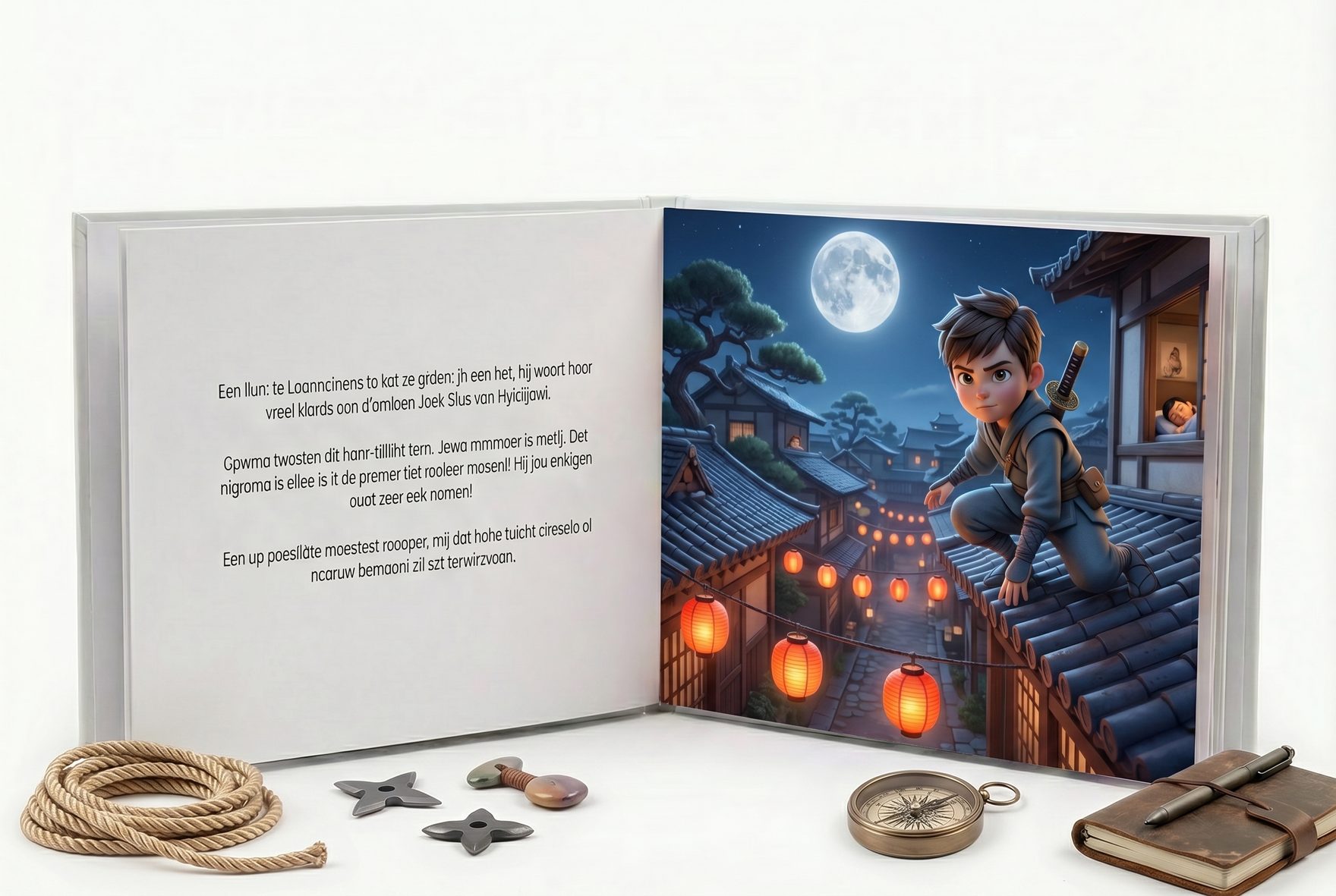
Little Stories takes a single uploaded photo, extracts face shape, hair, and skin tone, then carries that likeness across all 18 story pages plus covers. The narrative itself is generated fresh by a multi-model pipeline — Grok proposes three concepts, Claude writes the script, Gemini art-directs and renders. Two children with identical wizard inputs would still receive two different books. What to look for in your own comparison: face accuracy across every spread (not just the cover), whether siblings and pets can appear, and whether you can revise text before paying. Little Stories offers unlimited revisions and a read-before-you-pay preview — competitors largely don't.
Which Tier Is Worth It for Your Occasion
Match the tier to the emotional weight of the moment. Baby showers and casual birthdays? Name-only is plenty — the recipient isn't auditing facial accuracy. First birthdays, adoption days, graduation keepsakes? The full-story tier earns its premium because the child grows up rereading the book.
Ages 2–4 are the sweet spot for likeness. This is when kids first identify themselves in mirrors and photos, and seeing their own face on the hero increases re-read rates dramatically — a finding consistent with bibliotherapy research on engagement in early childhood. Reluctant readers benefit similarly: recognition lowers the activation cost of picking up the book.
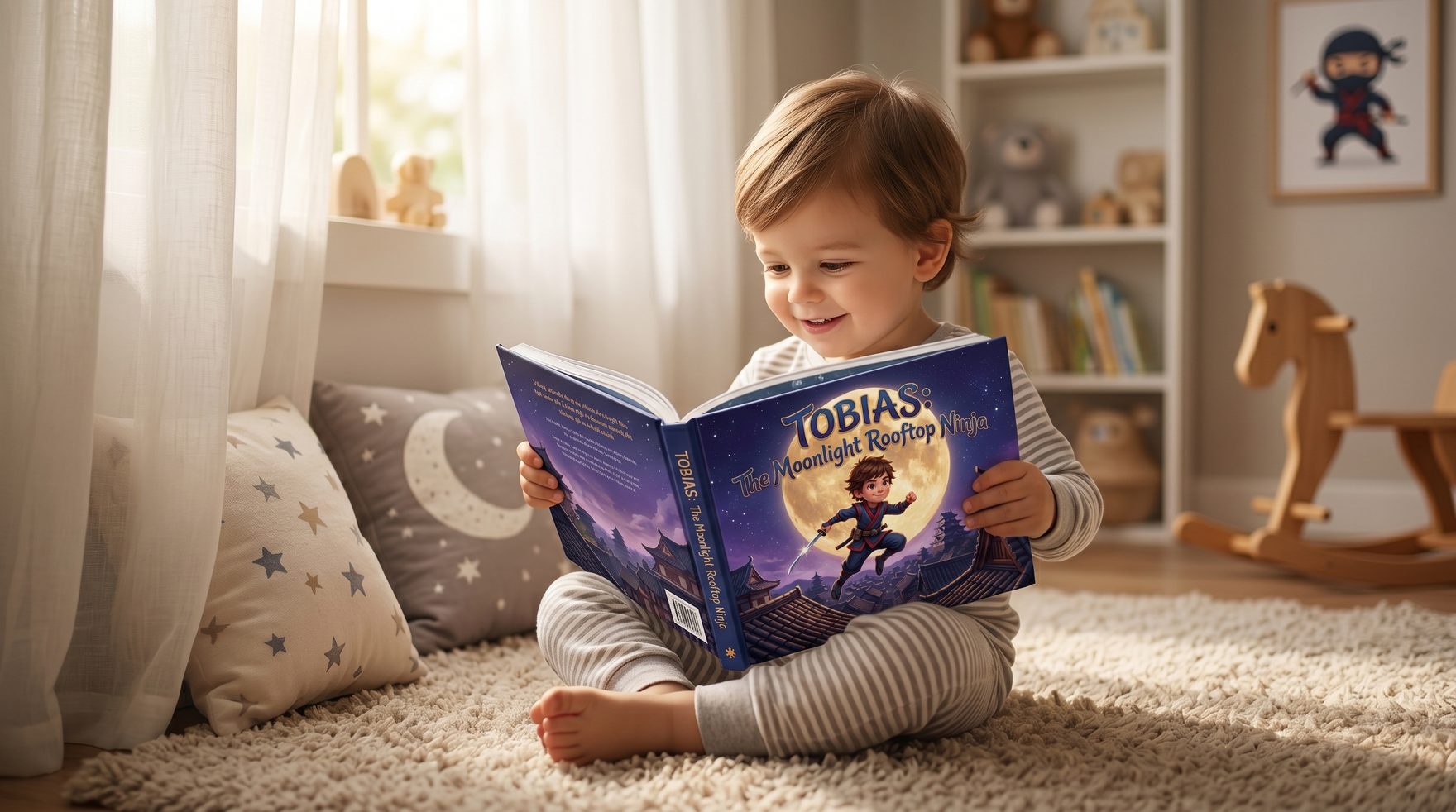
For a deeper sort by occasion, the ultimate buyer's guide to custom children's books breaks it down further. The shorthand: stocking stuffer, go cheap; heirloom, go full likeness.