Most personalized children's books survive exactly one reading. The novelty hits, the child sees their name on page three, and then the book quietly migrates to the bottom of the basket where it lives out its days under a sticker album and a crusted-over board book about feelings.
That's not a personalization problem. That's a depth-of-personalization problem. And once you know what to look for, you stop buying the throwaway versions.
What Actually Makes a Personalized Storybook Worth Reading Twice
A personalized storybook used to mean one thing: a generic story with the child's name auto-inserted into a few sentences. Same illustrations for every kid. Same plot. Same blonde cartoon protagonist whether your child has braids, brown skin, or a hearing aid.
That definition is dead. A modern personalized storybook customizes three layers — the character's appearance, the child's role in the plot, and the dedication or message. The child isn't mentioned in the story. The child is the story.
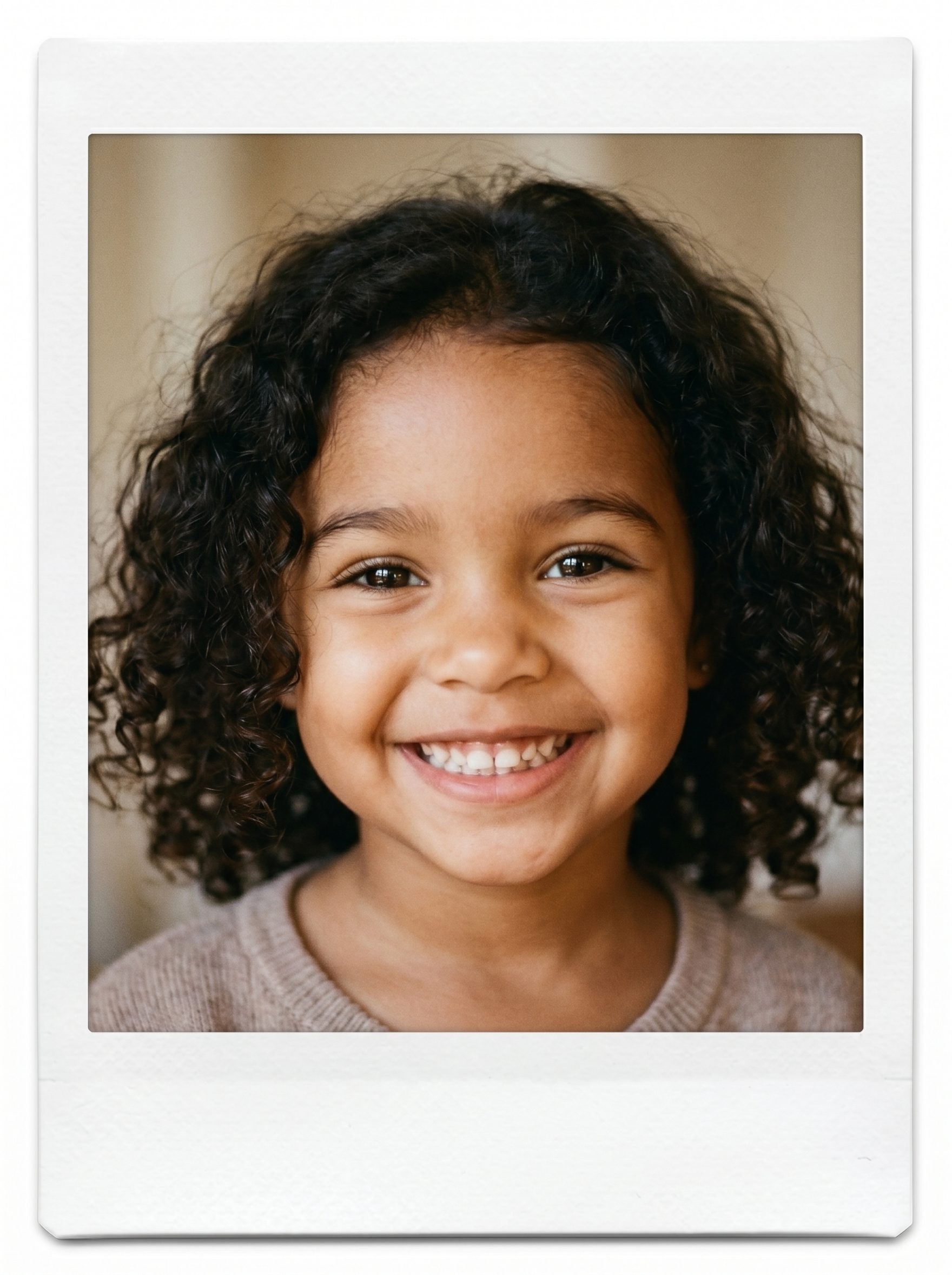
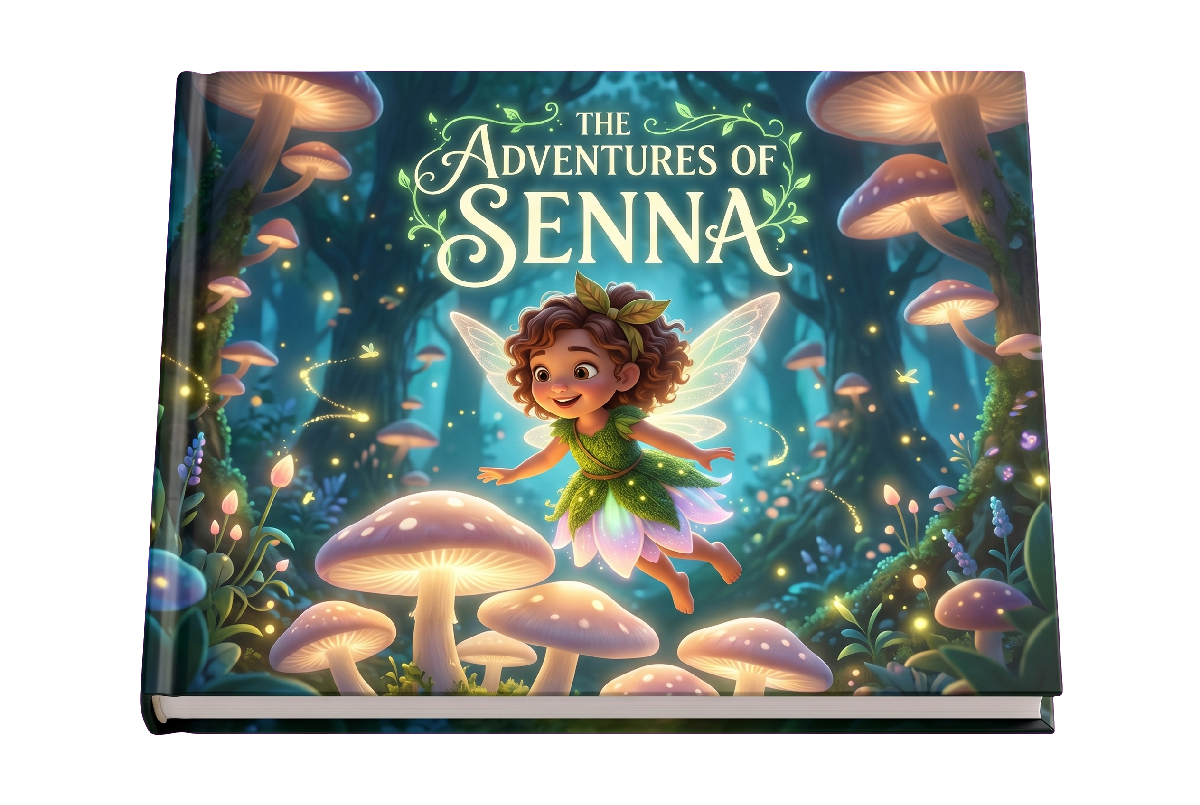
Why does this matter at bedtime? Because children pay disproportionate attention to their own name and likeness — the so-called cocktail-party effect, well-documented in attention research. A study published in Infant Behavior and Development found that pre-readers showed meaningfully higher engagement with personalized storybooks compared to generic versions. Recognition drives re-reads.
“A name on the cover is marketing. A child's face on every page is a keepsake.”
So here's the buyer framework worth using: personalization depth, illustration quality, age-fit, and gift-readiness. A keepsake-quality book costs more than a paperback novelty. It also gets read twenty-plus times instead of once. The math is not subtle.
The Four Buying Criteria That Separate Keepsakes from Throwaways
Personalization depth. There are three tiers. Name-only (the cheapest, the worst). Name plus appearance — skin tone, hair color, glasses, the basics. And full hero customization, where the child is the visible protagonist on every spread, with hobbies and family members woven into the plot. Only the third tier survives the bedtime test.
Illustration quality. Look closely at sample pages. If the child's "personalized" head looks pasted onto a stock body that appears in every other kid's book, you've found a clip-art operation. AI-illustrated services like Little Stories generate unique artwork per child — the hero is rendered into the scene, not collaged on top of it. Nine distinct styles (Storybook watercolour, 3D Animation, Anime, Kawaii, Lego, and others) let you match the visual register to your child's taste.
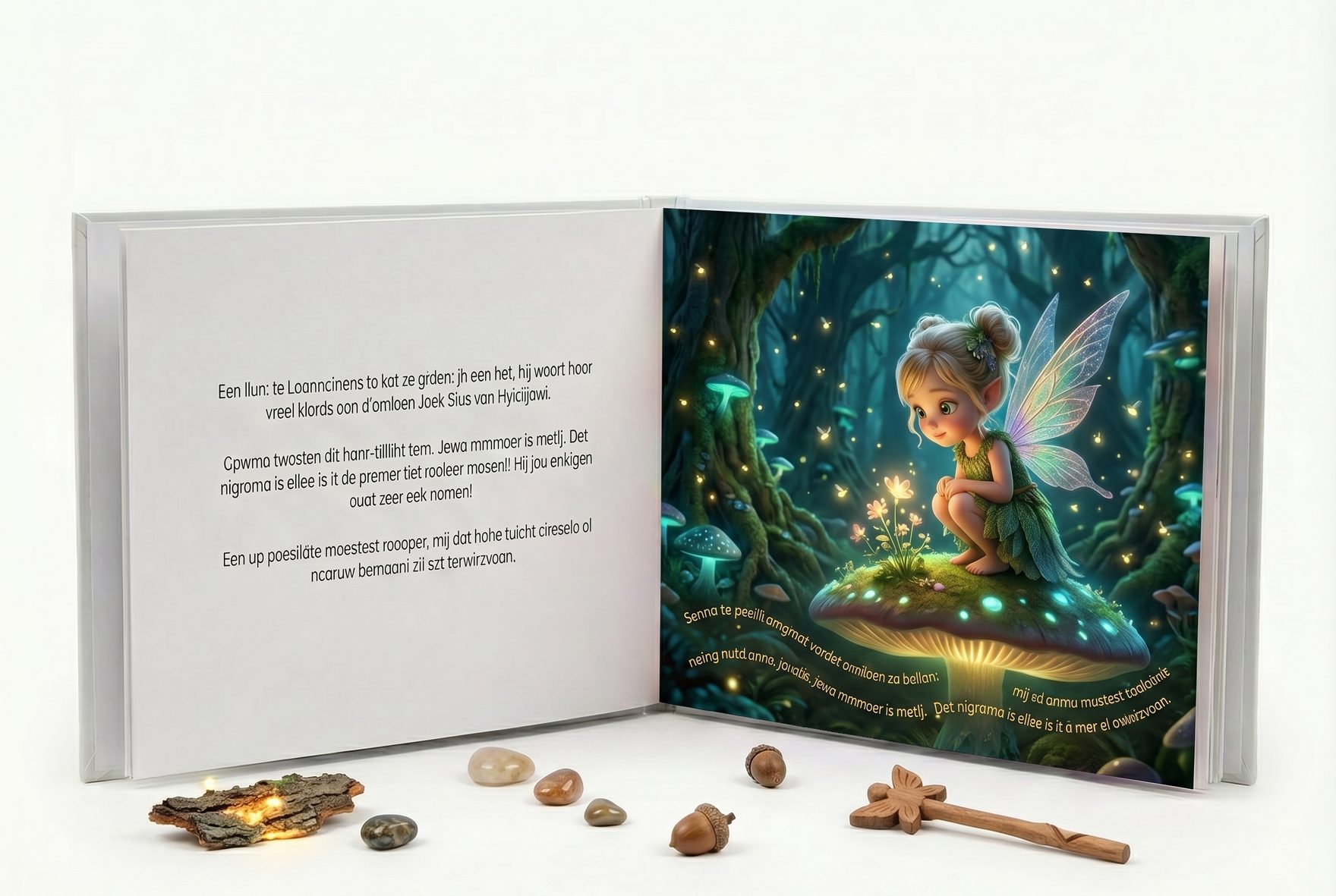
Age-fit. Two-year-olds need short, rhyming, predictable. Six-year-olds need a hero with agency. A mismatched reading level kills a book faster than bad illustrations.
Gift-readiness. Hardcover binding, dedication page, preview-before-print, and a turnaround under ten days. If you're sending it to a niece across the country, these aren't extras.
For a deeper category-by-category comparison, the parent-ranked guide to AI children's books of 2026 is a useful next stop.
How to Match the Book to Your Child's Age (2–8)
Ages 2–4. Short hardcovers, rhyming text, repetition. The hero should appear in every illustration — at this age, recognition is the story. Themes like Farm, Bedtime, or Learning to Walk work better than complex quests.
Ages 4–6. This is the developmental sweet spot. Pick a clear story arc where the child solves a small problem: bedtime fears, a new sibling, a first day of school. The book stops being a gift and starts being a tool. Personalized bedtime stories help anchor consistent routines, which the Sleep Foundation links to better sleep outcomes in young children.
Ages 6–8. Longer narratives, richer vocabulary, themes of bravery and friendship. This age can co-design their character — pick their own hobbies, name a sidekick, choose the moral — which roughly doubles engagement.
Quick checklist before you buy: read the sample, count words per page, confirm reading level, and verify the child appears in at least 80% of spreads. If a sample isn't available, that's your answer.
What Deep Personalization Looks Like in Practice
The Little Stories creation flow is a seven-step wizard that runs about five to ten minutes. You pick a theme and illustration style, add characters (siblings, grandparents, the dog — there's no hard cap), upload an optional photo, drop in hobbies and a favourite food, and let the system generate three completely original story options. You pick one. You revise text and illustrations through an unlimited chat-based refinement step. Then — and this is the part that matters — you preview the entire finished book before paying anything.
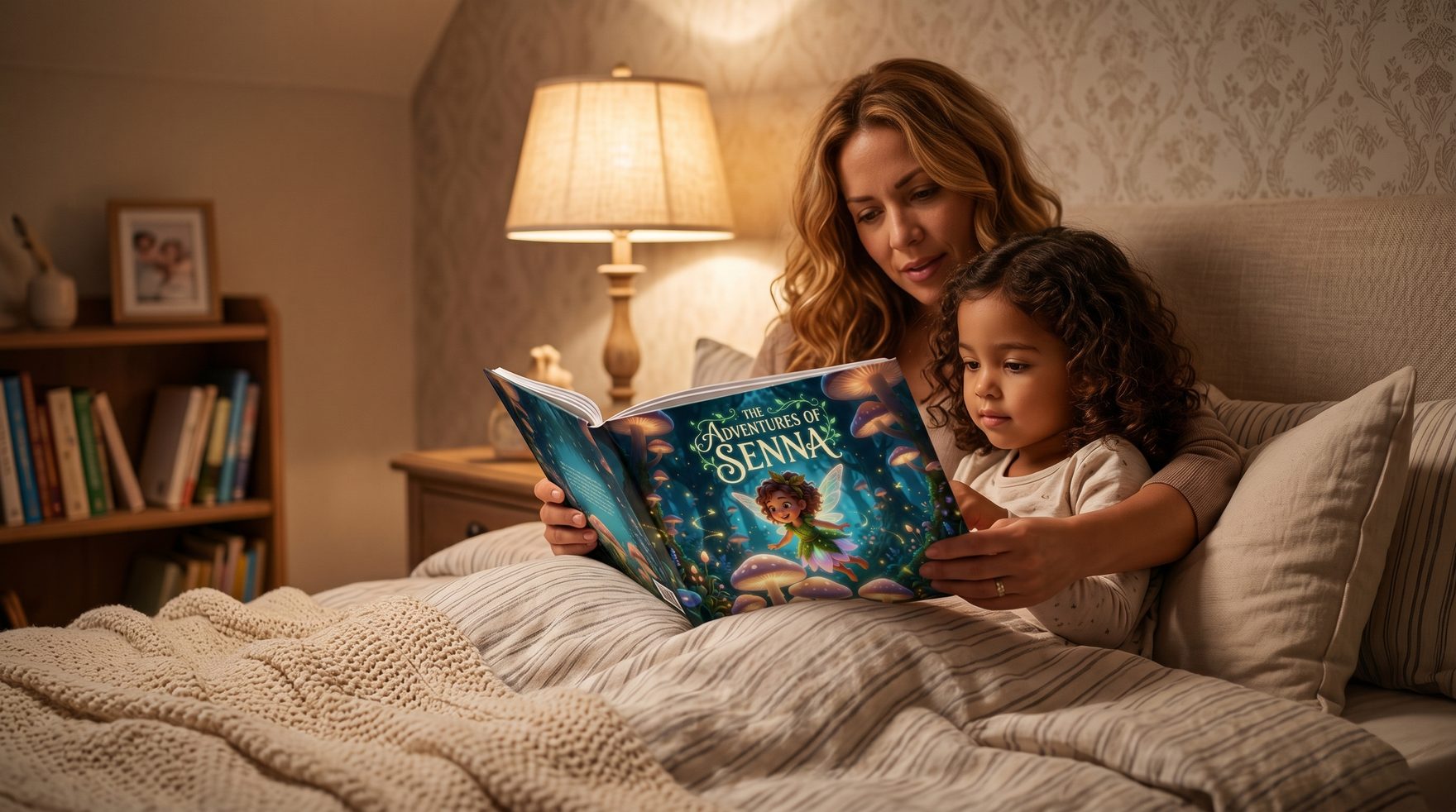
Read it before you pay a cent. That single policy is the most important filter in this category. It catches likeness issues, tone mismatches, and any moment where the story didn't quite land — before a hardcover gets printed.
About that hardcover: 20 pages total (18 story plus 2 covers), landscape A4, full-bleed illustrations on premium coated paper, case-bound, shipped worldwide in three to ten business days. The digital PDF is $29.99; the hardcover-plus-PDF bundle is $24.99. Dedication pages handle birthdays, new siblings, and "first day of school" milestones without extra fuss.
For magic-themed gifts specifically, the breakdown of what to look for in an AI-illustrated wizard book covers the visual and narrative details worth scrutinizing.
Frequently Asked Questions
How does a personalized storybook work? You provide inputs — child's name, age, appearance, hobbies, optional photo, dedication — and the service generates a unique story and matching illustrations. Output is either an instant digital PDF or a printed hardcover.
How long does delivery take? Digital is instant after preview approval. Hardcover ships in three to ten business days worldwide.
What age range is best? Roughly 2–8. Format, page length, and reading level should shift with the band.
Can I preview the book before buying? Yes — and you should refuse to buy from any service that doesn't offer a full-book preview. It's the single most important feature.
Is it a good gift for birthdays or new siblings? Yes. The dedication page, hardcover binding, and milestone-specific themes (new baby, birthdays, holidays) are designed for exactly this. The complete birthday book buyer's guide goes deeper on gifting specifics by age.