The aunt buying a birthday gift for her four-year-old nephew has a problem most personalized-book companies pretend doesn't exist: the kid has two moms, a half-sister from a previous marriage, a beagle named Pickle, and a grandfather who died in March. A book with just his name printed on page one isn't going to cut it.
This is the gap between personalized and truly custom. And it's wider than most gift-givers realize until they're three clicks deep into a checkout flow that only accepts one name and one hair color.
Why Generic Personalization Falls Short for Real Families
Most "personalized" children's books are name-swap templates. The illustration was drawn once, years ago, and a script drops in a first name and maybe a skin tone. The dog at the foot of the bed? Not in there. The new baby sister? Not in there. Grandpa? Definitely not.
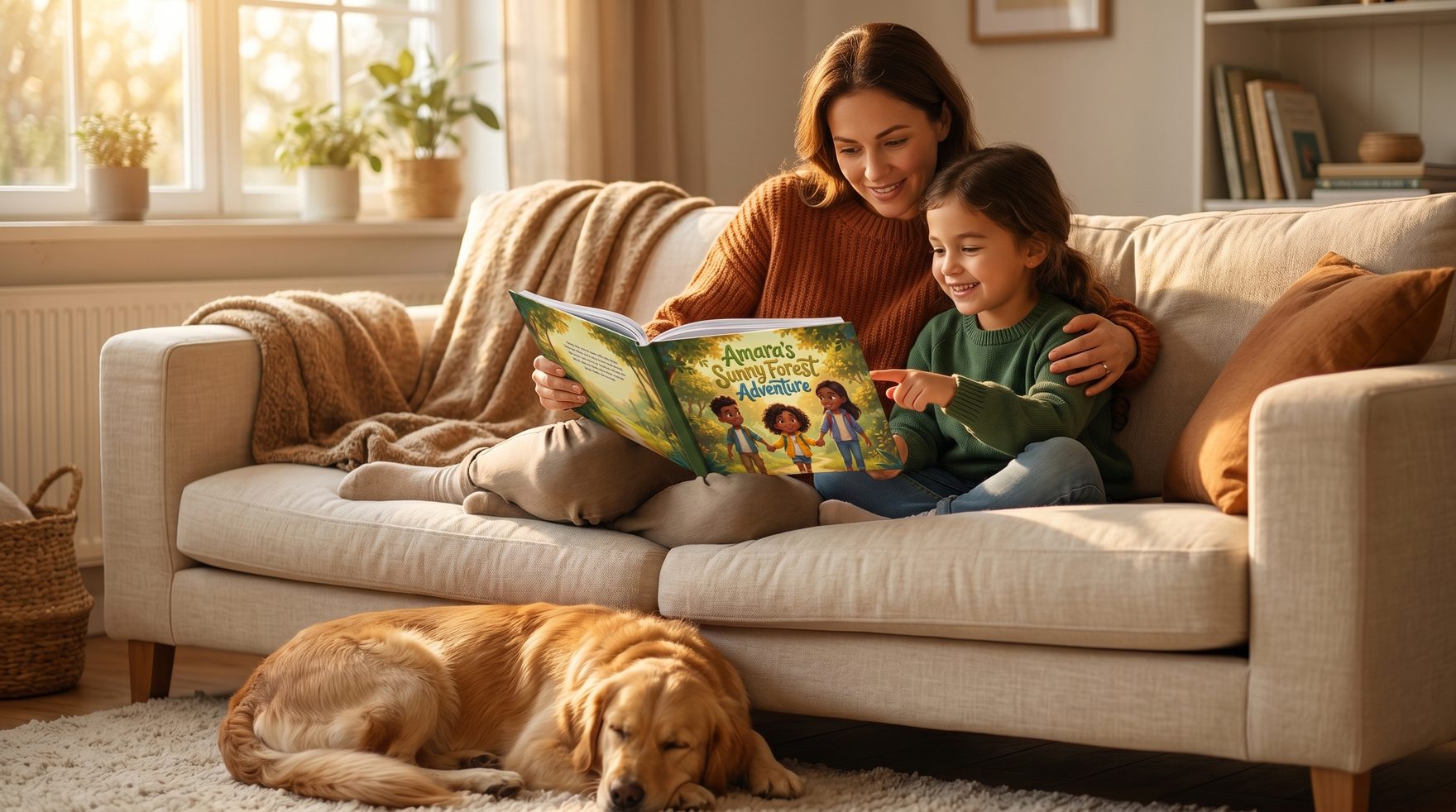
Modern families are blended, adopted, multi-generational, and sometimes grieving. A storybook that papers over all of that with a generic blonde protagonist and a stock cottage feels like a stranger talking about your kid. Research on the name attention effect shows children lock in when they hear their own name — but the same principle applies to everyone in their orbit. The dog's name. The little sister's name. The grandfather they still talk about.
“A child's story isn't complete without the dog at the foot of the bed or the sibling sharing the bunk above.”
Illustration-led platforms like Little Stories take a different approach: every page is generated from scratch, with the child's likeness and any number of supporting characters — siblings, friends, grandparents, pets. No templates. No dropdown-menu families.
Can You Include a Family Pet in a Custom Children's Book?
Yes. And not just "a dog" — your dog, with the right markings, the right floppy ear, the right rust-colored patch over one eye.
Reputable custom publishers illustrate specific pets from reference photos. Pets often become the story's sidekick, which is exactly the role they already play in real life. If Amara's beagle is the one who finds the treasure map, the book stops being a gift and starts being a memory she'll keep on the shelf for twenty years.
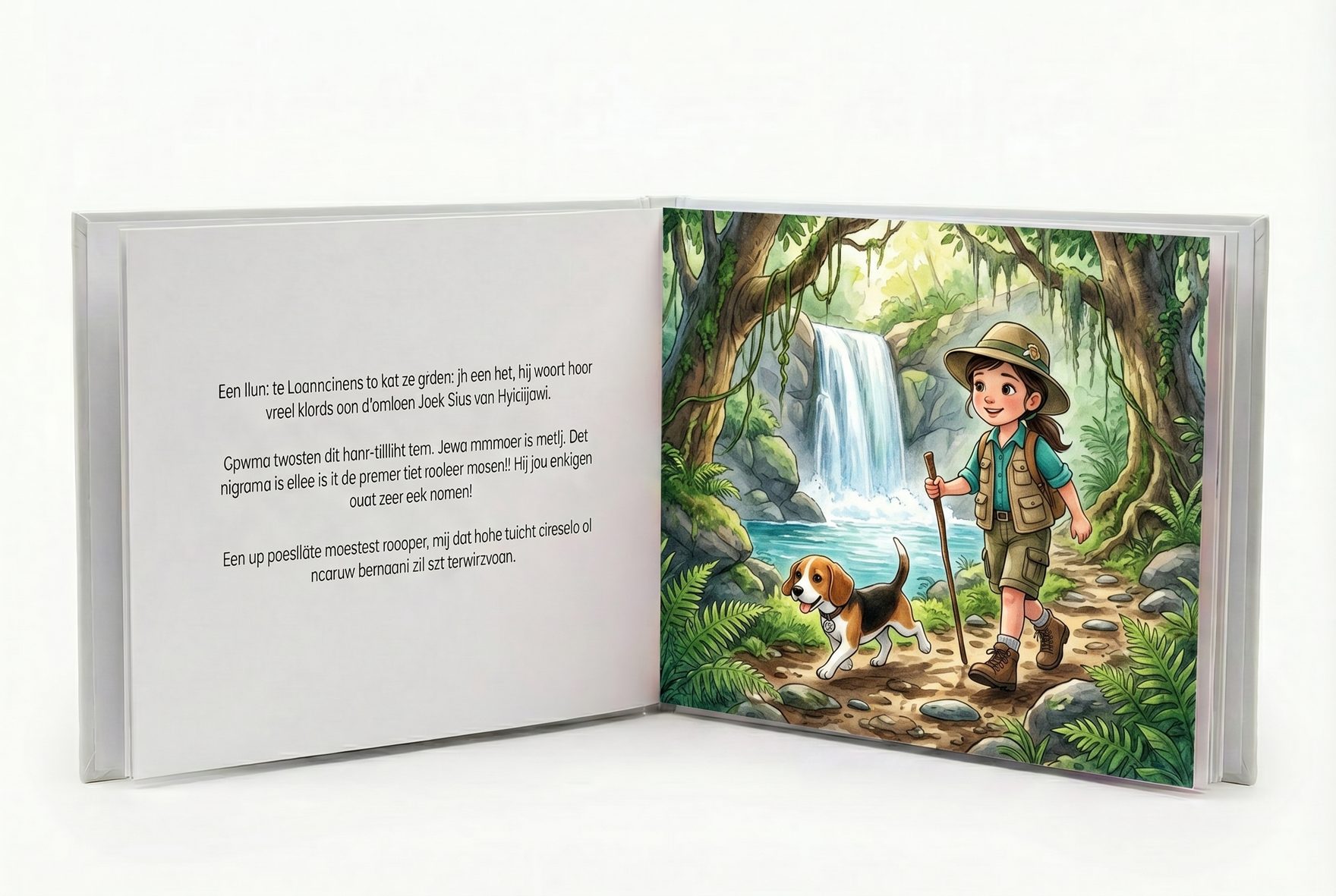
Common requests: dogs, cats, rabbits, hamsters, guinea pigs, even reptiles and horses. What to send: two or three clear photos showing the pet's face, body, and any distinguishing features — the snaggletooth, the missing tail tip, the white sock on one paw. On Little Stories, each additional character gets its own name, age, role ("Best Friend," "Loyal Sidekick"), and optional photo, and there's no hard cap on how many you add. The original photos are deleted within 24 hours; only the illustrated character is kept.
How to Handle a Lost Loved One: Memorial Books for Grieving Children
This is the hardest question on the list, and it deserves more care than a sales page.
A memorial book featuring a late grandparent, parent, or sibling can be a real grief tool — when it's framed thoughtfully. Best practice: depict the loved one as warm, present, and remembered. Not as a ghost. Not as an empty chair. Grandpa is fishing on the dock. Grandma is in the kitchen flipping pancakes. The story honors who they were.
Pair the imagery with age-appropriate language. For children under six, gentle framing works best ("Grandma watches from the stars and still loves you"). Older kids can handle more direct acknowledgment that someone has died and is missed. The principles behind bibliotherapy in early childhood — using stories to help kids process emotional realities they don't yet have words for — are well-documented in the research literature.
When to gift: anniversaries, first holidays without the person, milestone birthdays. One caveat worth saying plainly: if the loss is recent or traumatic, a book supplements professional support. It doesn't replace it. Talk to a child therapist first.
Siblings, Step-Siblings, and Adopted Family Members
Custom storybooks shine for new-baby announcements, adoption celebrations, and blended-family transitions. The trick is finding a platform that doesn't cap you at two characters.
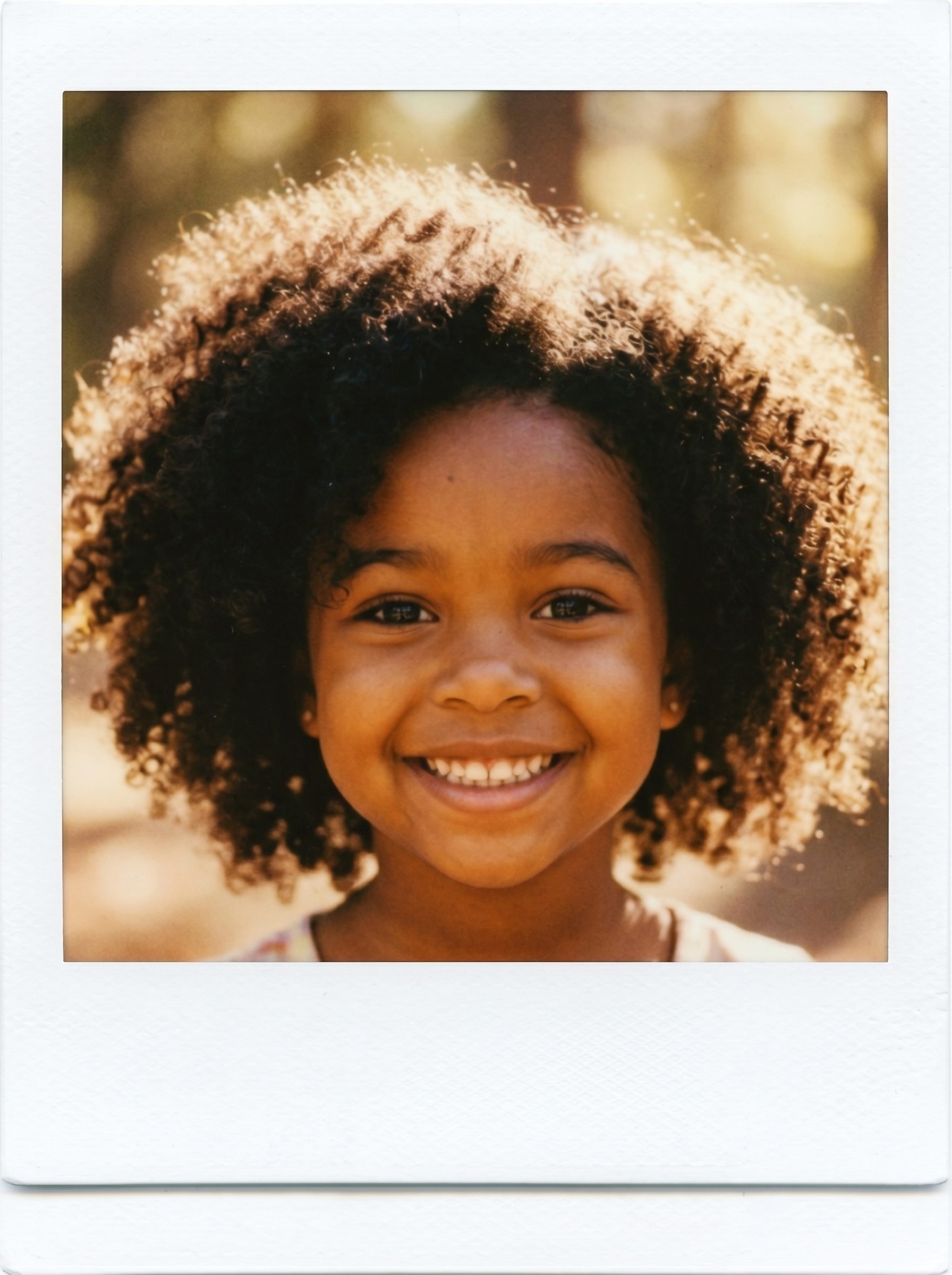
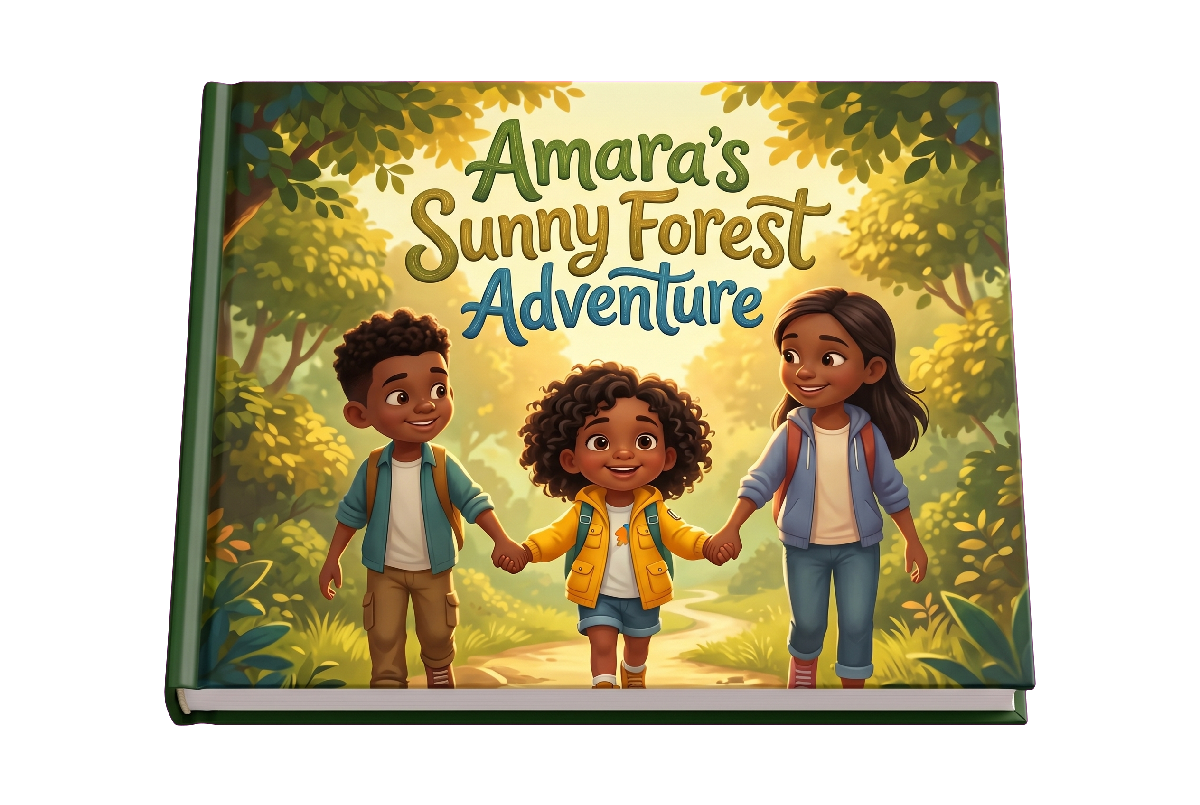
Look for publishers that allow individual customization of each child — skin tone, hair, age, role in the story. Adoption-positive books should reflect each child's real heritage and arrival story, not erase it. For step-siblings, a shared adventure where everyone has to cooperate to solve the problem can quietly ease the transition into a new family structure without ever saying the word "stepfamily."
Character limits matter. Some platforms cap at two. Others — Little Stories among them — let you add siblings, friends, grandparents, and pets without a hard ceiling, each with their own profile.
Questions to Ask Before You Buy a Truly Custom Book
A short checklist before you hand over a credit card:
How many characters can be included, and is there a per-character fee? Can you submit reference photos for pets and people, or are characters built from dropdown menus only? Photo-based likeness is the difference between "a dog" and "Pickle." What's the revision policy if a character doesn't look right on the first pass? Little Stories, for instance, runs on a "read it before you pay a cent" model — unlimited revisions to text and illustrations before checkout.
Can sensitive content — a late loved one, an adoption story, a parent's deployment — be handled with a custom note? Look for a free-text "dedication" or "special event" field. And finally: turnaround and packaging. For memorial anniversaries, birth announcements, or birthday deadlines, a digital PDF in under ten minutes plus an optional hardcover via tracked shipping (3–10 business days) is the realistic gift-giver's window.
The right book doesn't just put a child's name on a page. It puts their whole world on the page — the dog, the new sister, the grandfather who's still part of the family even though he's gone. That's the difference between a souvenir and a story.